
Setting the Stage for Genomics Research
As the field of genomics continues to revolutionize the way we understand genetics, biology, and medicine, the need for state-of-the-art research facilities has never been greater. A key element in designing these advanced labs is the strategic use of genomics lab furniture.
Genomics research pushes the boundaries of what is possible, demanding highly specialized lab environments that are as cutting-edge as the science itself. The right furniture not only supports the safe and efficient use of high-tech equipment but also enhances the overall workflow and ergonomics of the space.
Whether you’re working on gene editing, sequencing, or other groundbreaking studies, every piece of genomics lab furniture plays a role in facilitating precision, safety, and long-term research success.
In this article, we’ll explore how to design a genomics lab that fosters innovation, with a particular focus on the essential furniture solutions that help bring your vision to life. By the end, you’ll see why partnering with a trusted lab design expert like Genie Scientific is the key to creating a genomics lab that meets today’s rigorous demands.
Understanding the Key Components of Genomics Labs
A genomics lab is a high-tech environment where precision, accuracy, and safety are paramount. Designing such a space requires an understanding of the key components that make it function effectively, from specialized equipment to the genomics lab furniture that supports it.
Specialized Equipment and Technology
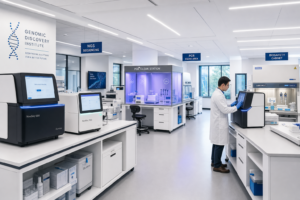
At the heart of any genomics lab lies the equipment used for DNA sequencing, gene editing, and various other complex genetic analyses. Key instruments include PCR machines, electrophoresis apparatus, centrifuges, incubators, and sequencers. These tools require dedicated workspaces that not only accommodate their size but also provide power and data solutions that integrate seamlessly into the lab’s infrastructure.
The Role of Genomics Lab Furniture
The right genomics lab furniture serves as the backbone for supporting these advanced instruments. Customizable workbenches, lab tables, and storage solutions ensure that equipment is both easily accessible and properly organized. With lab spaces often needing to accommodate evolving technologies, having flexible furniture that can adapt to new research equipment or lab layouts is essential.
Additionally, lab furniture is crucial for maintaining an ergonomic and comfortable environment for researchers. Long hours spent analyzing data, performing tests, and handling delicate samples can be taxing without the proper genomics lab furniture. Adjustable workstations, ergonomic seating, and well-designed storage solutions can minimize physical strain, allowing researchers to work at peak efficiency.
Optimizing Space for Efficiency and Safety
In genomics labs, space is a precious commodity. Efficient space planning is crucial to ensure that each piece of equipment is positioned for easy use, minimizing the risk of contamination or accidents. For instance, workstations should be designed with the flow of materials in mind, ensuring that samples, reagents, and equipment move seamlessly from one area to the next.
Safety is also a top priority—furniture like fume hoods, biosafety cabinets, and sturdy lab tables can help ensure that research is conducted within safe and controlled environments.
In the next section, we’ll explore the factors that come into play when designing a genomics lab, from space planning to ergonomics, to ensure the space meets the demands of cutting-edge research.
Factors to Consider When Designing a Genomics Lab
Designing a genomics lab isn’t just about filling a space with equipment and furniture—it’s about creating an environment that fosters innovation, productivity, and safety. Here are the key factors to consider when designing a genomics lab that meets the needs of cutting-edge research.
Space Planning & Layout
One of the most critical aspects of genomics lab design is optimizing the space. Proper layout planning ensures smooth workflows and prevents bottlenecks. It’s important to define distinct zones for different stages of research, such as sample preparation, analysis, and data processing. The goal is to minimize cross-contamination and streamline the movement of materials and samples through the lab.
When positioning equipment and workstations, consider the size and shape of each piece of equipment. Specialized instruments like sequencers or PCR machines need ample space, while providing easy access to power, ventilation, and storage. Flexible furniture systems—such as adjustable tables and modular units—can help accommodate future research developments and evolving needs.
Ergonomics
Researchers in genomics labs often work long hours, and ergonomics plays a vital role in maintaining productivity and reducing fatigue.
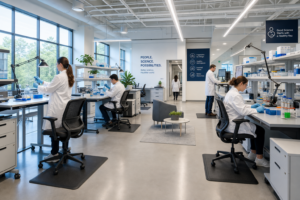
The right genomics lab furniture ensures that workstations, chairs, and lab tables are not only functional but comfortable for extended use. Adjustable height tables and chairs with lumbar support allow for proper posture, reducing strain during long hours of data analysis or handling samples.
Ergonomics also extends to the design of specialized workspaces. For example, lab benches with integrated lighting, electrical outlets, and data ports can minimize unnecessary movements, letting researchers focus on their work without having to shuffle equipment or tools.
Safety Considerations
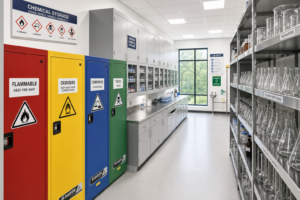
Genomics labs often handle hazardous materials, from chemicals and biological agents to potentially dangerous equipment. Safety must always be a priority in design. Furniture solutions like fume hoods, biosafety cabinets, and chemical storage units are essential for ensuring safe handling and containment of potentially harmful substances.
Furthermore, the layout should facilitate easy access to emergency equipment like fire extinguishers, eyewash stations, and first aid kits. It’s crucial that all furniture and workstations are designed with safety standards in mind, not only to protect the researchers but also to maintain the integrity of the samples and experiments.
Additional Reading: High-Security Lab Design for Sensitive Research
Flexibility and Adaptability
As the field of genomics continues to evolve, so too do the requirements for lab design. The technology and equipment used in genomics research are constantly advancing, and it’s important to plan for flexibility. Modular lab furniture systems—such as movable workbenches, adjustable shelving, and reconfigurable storage units—allow the lab to adapt as new technologies emerge.
For example, researchers may need to upgrade to larger sequencing machines or introduce new data analysis tools. Having adaptable furniture allows labs to reorganize efficiently without the need for extensive renovations, saving both time and money in the long run.

Types of Genomics Lab Furniture for Specialized Needs
A well-designed genomics lab requires a variety of specialized furniture to support the unique demands of genetic research. From workbenches to storage solutions, each piece plays a critical role in optimizing the lab environment for both functionality and safety. Let’s explore the essential types of genomics lab furniture that every advanced research facility should consider.
Workbenches and Lab Tables
At the core of any genomics lab are the workbenches and lab tables. These surfaces serve as the foundation for performing experiments, analyzing samples, and housing sensitive equipment. When choosing genomics lab furniture, it’s essential to select workbenches that offer both durability and flexibility.
Customizable tables with adjustable heights allow researchers to set the perfect working position, whether they’re standing or seated. For added functionality, some workbenches come equipped with integrated power outlets, data ports, and lighting to support equipment like microscopes, PCR machines, or sequencing devices.
Ensuring that work surfaces are resistant to chemicals and easy to clean is vital for maintaining a sterile and organized environment.
Storage Solutions
Efficient storage is essential in a genomics lab, where organization is key to minimizing contamination risks and maintaining productivity. Custom cabinetry, shelving, and drawer systems can be designed to hold everything from reagents and pipettes to important research data.
For labs working with delicate biological samples or hazardous materials, secure storage solutions are a must. Lockable cabinets and chemical storage units provide a safe place for chemicals and biohazards, ensuring compliance with safety regulations. Modular storage systems allow the lab to adapt as inventory grows, and specialized drawers or shelves for small items help keep the workspace clutter-free.
Fume Hoods and Biosafety Cabinets
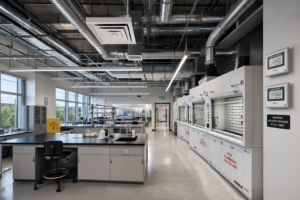
In any genomics lab, safety is a top priority. Fume hoods and biosafety cabinets are essential for protecting researchers from harmful fumes, chemicals, and biological agents. These specialized pieces of genomics lab furniture create controlled environments where potentially dangerous substances can be handled safely.
Fume hoods are commonly used for tasks like chemical preparation or working with volatile reagents, while biosafety cabinets are used when handling biohazardous materials or tissue samples. Both types of furniture provide necessary ventilation, ensuring that harmful particles or pathogens don’t contaminate the lab environment or harm researchers.
Seating
While often overlooked, ergonomic seating is an important component of genomics lab design. Researchers typically spend long hours at workstations, and the right seating can help minimize strain and discomfort. Adjustable chairs with lumbar support ensure that researchers maintain proper posture, reducing the risk of back and neck pain during extended periods of study.
In addition to comfort, lab seating must be easy to clean and resistant to spills, chemicals, and other potentially hazardous materials. Lab chairs should also be mobile to allow researchers to move between workstations quickly without disrupting their workflow.
Modular Systems
Flexibility is a hallmark of effective genomics lab design, and modular furniture systems provide a practical solution. These systems can be easily reconfigured to accommodate changes in research equipment or lab layout, making them ideal for labs that are constantly evolving.
Modular units can include movable workstations, adjustable shelving, and collaborative spaces designed for team-based research. Whether you’re upgrading to new equipment or reimagining the lab layout, modular furniture offers the versatility needed to stay ahead in an ever-changing field like genomics.
In the next section, we’ll explore the key design principles that can elevate your genomics lab from functional to world-class, ensuring that it supports cutting-edge research for years to come.
Additional Reading: Modular Laboratory Systems: The Flexible Solution for Dynamic Research Needs

Key Design Principles for Genomics Labs
Designing a genomics lab goes beyond selecting the right equipment and furniture—it’s about creating an environment that fosters accuracy, collaboration, and innovation. The best genomics labs are meticulously planned to balance functionality, safety, and adaptability. Below are the guiding design principles that turn a standard lab into a world-class research space.
Workflow Efficiency
A genomics lab’s layout should follow the natural flow of research activities. From sample preparation and sequencing to analysis and storage, each step must connect seamlessly to the next. Efficient workflows reduce time wasted in movement and minimize the risk of contamination or human error.
Positioning genomics lab furniture strategically—such as placing workbenches near sequencing equipment or storage units close to prep areas—helps researchers work intuitively. Incorporating mobile and modular furniture can further streamline operations, allowing teams to reconfigure spaces for specific projects or collaborative needs.
Sustainability
Modern genomics research is not only about discovery—it’s also about responsibility. Sustainable lab design is gaining traction as institutions strive to reduce environmental impact without compromising performance. Choosing eco-friendly genomics lab furniture made from recycled or low-emission materials supports greener practices while maintaining durability and quality.
Energy-efficient lighting, HVAC systems, and ventilation design also contribute to lower operational costs and a smaller carbon footprint. In addition, selecting furniture with long lifespans and reconfigurable components ensures fewer replacements and less waste over time.
Technology Integration
Genomics research is data-intensive, requiring sophisticated digital tools and instruments. Integrating technology directly into furniture design enhances efficiency and safety. Lab tables equipped with built-in power supplies, USB and Ethernet ports, and cable management systems prevent clutter and provide easy access to essential connectivity.
Smart lab furniture—designed to interface with digital monitoring systems—can even help track environmental conditions like temperature or humidity, ensuring optimal sample preservation. This seamless fusion of design and technology allows researchers to focus on their work rather than the logistics of managing equipment.
Additional Reading: How to Integrate Technology into Laboratory Furniture Design
Adaptability for Future Growth
As genomics evolves, so do the methods and tools that drive research. A well-designed lab anticipates future needs. Flexible design elements—like modular workstations, movable benches, and adaptable storage—make it easy to incorporate new technologies without major renovations.
Investing in adaptable genomics lab furniture allows labs to remain current and capable, no matter how research trends or equipment requirements change. This adaptability ultimately protects the lab’s investment and ensures longevity in an ever-advancing field.
Next, we’ll shine the spotlight on Genie Scientific—your single-source solution for durable, customizable, and forward-thinking genomics lab furniture built to meet the demands of cutting-edge research.

Why Choose Genie Scientific for Genomics Lab Furniture
When it comes to designing a genomics lab for cutting-edge research, having the right partner makes all the difference. Genie Scientific has earned its reputation as a trusted leader in laboratory design and manufacturing—providing custom-built solutions that blend innovation, durability, and precision.
With decades of experience serving research institutions, universities, and private facilities, Genie Scientific is the single-source solution for genomics lab furniture that meets the highest standards of safety and performance.
Expertise in Custom Lab Design
Every genomics lab has unique needs, from the size of sequencing instruments to the workflow of its researchers. Genie Scientific’s team of experts collaborates closely with clients to design furniture layouts that optimize both space and productivity.
Whether it’s configuring modular workstations for flexible research or engineering custom casework to fit specialized equipment, their design approach ensures a perfect balance between functionality and innovation.
Quality and Durability You Can Trust
Genomics research requires equipment and furniture that can withstand constant use and rigorous protocols. Genie Scientific builds every piece with superior materials, including chemical-resistant surfaces, heavy-duty steel framing, and ergonomic designs made to last. This commitment to quality ensures long-term reliability—even in high-demand research environments where precision and safety are non-negotiable.
Seamless Integration of Technology
Today’s genomics labs depend on digital tools, high-powered computers, and automated systems. Genie Scientific integrates these needs directly into their furniture solutions, offering workbenches with built-in data access, electrical outlets, and advanced ventilation systems. The result is a workspace that supports the technological sophistication of modern genomics research while maintaining a clean, organized appearance.
Safety and Compliance
Safety is at the core of Genie Scientific’s design philosophy. Their furniture solutions meet or exceed industry standards, supporting compliance with biosafety and chemical handling regulations. From durable fume hoods and biosafety cabinets to fire-resistant storage, Genie’s products help ensure that researchers can work confidently and securely in every experiment.
A Partner in Innovation
What truly sets Genie Scientific apart is their commitment to helping scientists achieve breakthroughs. By offering fully customizable genomics lab furniture, they empower researchers to create spaces tailored to their specific scientific goals. Genie’s mission is to make every lab not just functional—but future-ready.
Conclusion
Designing a genomics lab for cutting-edge research requires more than advanced technology—it demands precision, adaptability, and furniture built to enhance both safety and performance. From modular workstations and ergonomic seating to chemical-resistant surfaces and integrated power systems, the right genomics lab furniture is the foundation of innovation.
Genie Scientific stands at the forefront of this field, offering expertly crafted furniture solutions designed to meet the unique challenges of genomics research. Their commitment to quality, safety, and customization ensures that every lab they help build is ready not only for today’s breakthroughs but also for tomorrow’s discoveries.
If you’re ready to elevate your genomics research with a lab designed for excellence, contact Genie Scientific today. Their team of experts will help you create a workspace that supports accuracy, collaboration, and innovation—one that’s built to evolve alongside the science it serves.