
For many lab managers, the idea of a renovation triggers immediate concern: Will experiments be interrupted? What happens to sensitive equipment? How do we protect samples, data, and timelines? With ongoing research, even minor disruptions can have major consequences. That’s why successful projects begin with thoughtful laboratory renovation planning—a process designed to improve facilities while keeping critical work moving forward.
The good news is that a laboratory remodel does not have to mean shutting down operations. With the right planning, experienced coordination, and a clear understanding of live research environments, renovations can be phased, controlled, and executed with minimal impact on daily lab activities. From scheduling construction around critical experiments to protecting equipment and maintaining safety compliance, every detail matters.
This article explores how strategic laboratory renovation planning allows facilities to modernize their spaces without compromising productivity, safety, or scientific integrity. Whether you’re upgrading aging infrastructure, improving workflows, or preparing your lab for future growth, a well-planned renovation can enhance performance—without putting research on pause.
Start With a Research-First Renovation Strategy
Every successful laboratory remodel begins with a clear understanding of what cannot be disrupted. In active research environments, experiments, workflows, and timelines must shape the renovation—not the other way around. A research-first approach to laboratory renovation planning ensures that scientific priorities remain protected from day one.
The process starts by mapping how the lab is actually used. This includes identifying critical experiments, peak activity periods, and equipment that must remain operational at all times. Some research processes may be time-sensitive or impossible to pause, while others can be temporarily relocated or rescheduled. Understanding these distinctions early allows renovation plans to align with real-world lab operations.
Equally important is defining non-negotiables. Sensitive instruments, temperature-controlled samples, containment requirements, and regulatory obligations all need to be documented before construction begins. These elements influence everything from scheduling and phasing to dust control, vibration mitigation, and access restrictions.
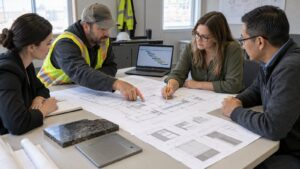
A research-first strategy also depends on early collaboration. Lab managers, principal investigators, facilities teams, and EHS professionals should be involved from the outset to flag risks and constraints. When stakeholders are aligned early, potential conflicts are addressed on paper—rather than during construction.
By putting research needs at the center of the project, laboratory renovation planning becomes a proactive process instead of a reactive one. The result is a renovation roadmap that supports scientific continuity, reduces stress for lab staff, and creates a foundation for a smooth, well-coordinated remodel.

Conduct a Detailed Pre-Renovation Lab Assessment
A thorough pre-renovation assessment is one of the most important steps in effective laboratory renovation planning. Before walls are moved or systems are upgraded, it’s essential to understand how the existing lab functions—and where hidden risks may lie.
The assessment begins with a close evaluation of space utilization and workflows. This helps identify inefficiencies, overcrowded zones, and areas where renovation can improve safety or productivity. Just as importantly, it highlights spaces that should remain untouched during construction due to their role in ongoing research.
Next comes a review of core infrastructure. Electrical capacity, plumbing, HVAC, data, and ventilation systems must be evaluated not only for current performance, but for their ability to support both renovation activities and future lab needs. Aging or undersized systems are a common source of unexpected delays when they are not identified early.
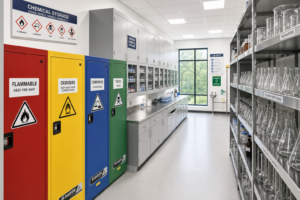
Safety and compliance are also central to the assessment process. Biosafety levels, chemical storage requirements, ventilation needs, and emergency access routes must be documented and protected throughout the renovation. Identifying these requirements upfront reduces the risk of regulatory issues once construction is underway.
A detailed lab assessment transforms assumptions into informed decisions. It allows renovation teams to anticipate challenges, plan phased construction more accurately, and protect sensitive research environments. In the context of laboratory renovation planning, this step reduces surprises, controls costs, and sets clear expectations—long before the first tool arrives on site.
Plan Phased Construction to Minimize Disruption
Phased construction is a cornerstone of effective laboratory renovation planning when research must continue uninterrupted. Rather than renovating the entire lab at once, work is carefully sequenced into manageable phases that allow sections of the lab to remain fully operational.
This approach begins by dividing the space into defined zones based on research activity, equipment sensitivity, and infrastructure dependencies. High-priority research areas are scheduled last or isolated from construction activity, while lower-impact spaces are addressed first. Each phase is planned with clear start and end points, reducing uncertainty for lab staff.
Temporary relocations and swing spaces often play a critical role during phased renovations. When certain functions must be moved, these spaces are designed to support continuity—maintaining proper ventilation, utilities, and safety standards. In some cases, construction can also be scheduled during evenings, weekends, or academic breaks to further limit disruption.
Equally important is controlling the construction environment within each phase. Physical barriers, negative air pressure, dust containment, and noise mitigation help protect active research areas adjacent to work zones. Clear access routes for contractors prevent unnecessary foot traffic through operational lab spaces.
By planning construction in deliberate phases, laboratory renovation planning becomes a flexible, controlled process rather than a single disruptive event. Phasing allows labs to adapt, researchers to stay productive, and renovations to progress without compromising scientific work.

Protect Research, Equipment & Samples
Protecting research integrity is the non-negotiable priority in any active lab remodel. Effective laboratory renovation planning accounts for the risks that construction can introduce and puts safeguards in place before work begins.
One of the biggest concerns during renovation is environmental control. Dust, vibration, noise, and airborne contaminants can interfere with sensitive experiments and precision instruments. Proper containment strategies—such as sealed barriers, controlled airflow, and negative pressure zones—help isolate construction areas from active research spaces.
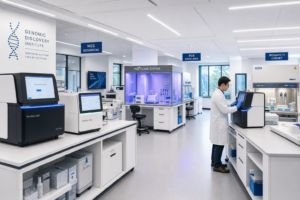
Equipment protection is equally critical. High-value instruments often require stable environmental conditions, uninterrupted power, and careful handling. Renovation plans should clearly define which equipment must remain in place, which can be temporarily relocated, and how power shutdowns or system transitions will be managed without jeopardizing calibration or performance.
Samples and materials demand special attention as well. Temperature-controlled storage, chain-of-custody protocols, and access restrictions must be maintained throughout the renovation process. Even short-term disruptions can compromise months—or years—of work, making proactive planning essential.
By anticipating these risks and addressing them upfront, laboratory renovation planning safeguards both physical assets and scientific outcomes. The result is a controlled renovation environment where research, equipment, and samples remain protected—allowing lab teams to focus on their work with confidence.
Coordinate Contractors Experienced in Active Labs
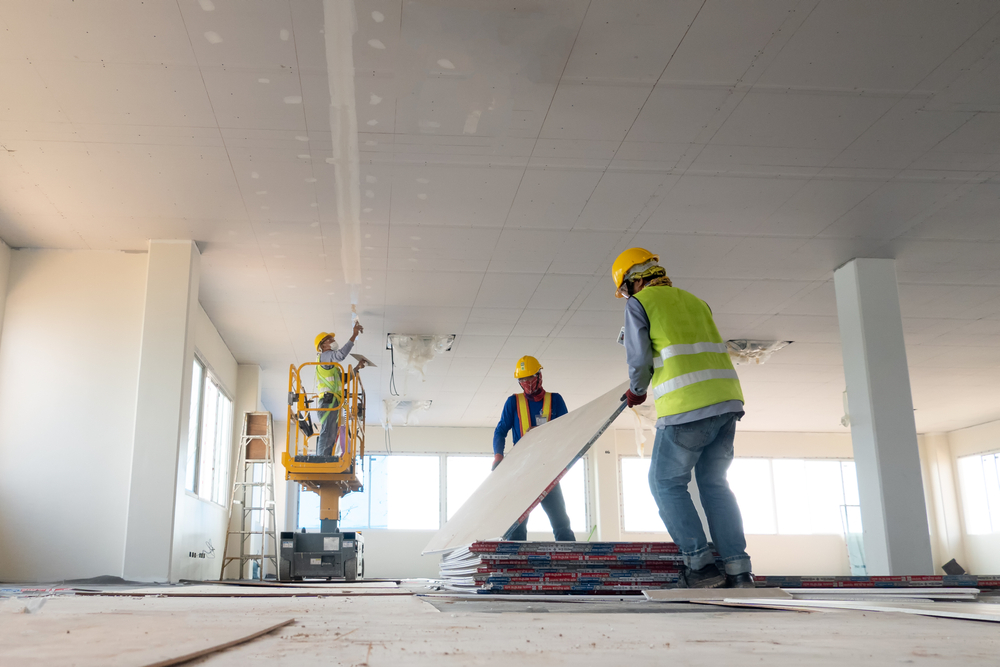
Not all contractors are equipped to work in occupied laboratory environments. When research is ongoing, effective laboratory renovation planning depends on partnering with expert teams like Genie Scientific, who understand the unique demands of live labs—and the consequences of getting it wrong.
Experienced lab contractors recognize that precision, cleanliness, and communication matter as much as construction speed. They are familiar with working around sensitive equipment, maintaining containment protocols, and following strict access controls. This expertise reduces the risk of accidental disruptions that could compromise experiments or safety.
Clear coordination is essential throughout the renovation. Daily check-ins, defined work windows, and documented procedures help align construction activities with lab schedules. When contractors know which areas are active, which systems are critical, and which tasks require special handling, surprises are minimized.
Equally important is accountability. Contractors experienced in active labs understand regulatory requirements, EHS standards, and the need for immediate response if conditions change. Their familiarity with laboratory environments allows them to adapt quickly while maintaining compliance and protecting ongoing research.
By coordinating with contractors who specialize in live laboratory renovations, laboratory renovation planning becomes a collaborative process rather than a source of risk. The right team helps ensure that construction progresses efficiently—without compromising research, safety, or peace of mind.

Upgrade Systems Strategically During Renovation
A laboratory renovation presents a valuable opportunity to upgrade critical systems—but only if those improvements are planned with care. In active facilities, smart laboratory renovation planning ensures system upgrades enhance performance without extending downtime or disrupting research.
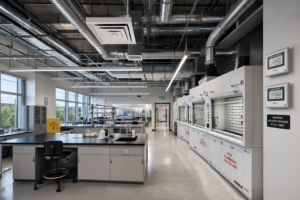
Ventilation and HVAC systems are often at the top of the upgrade list. Improving airflow, temperature control, and exhaust capacity can boost safety and energy efficiency, but changes must be carefully phased to maintain stable conditions in occupied areas. Temporary systems or staggered shutdowns are often used to protect sensitive experiments during transitions.
Electrical and data infrastructure also deserves close attention. Modern labs rely on reliable power, redundancy, and robust connectivity to support advanced instrumentation and digital workflows. Renovation planning should account for future growth while ensuring existing equipment remains powered and protected throughout the project.
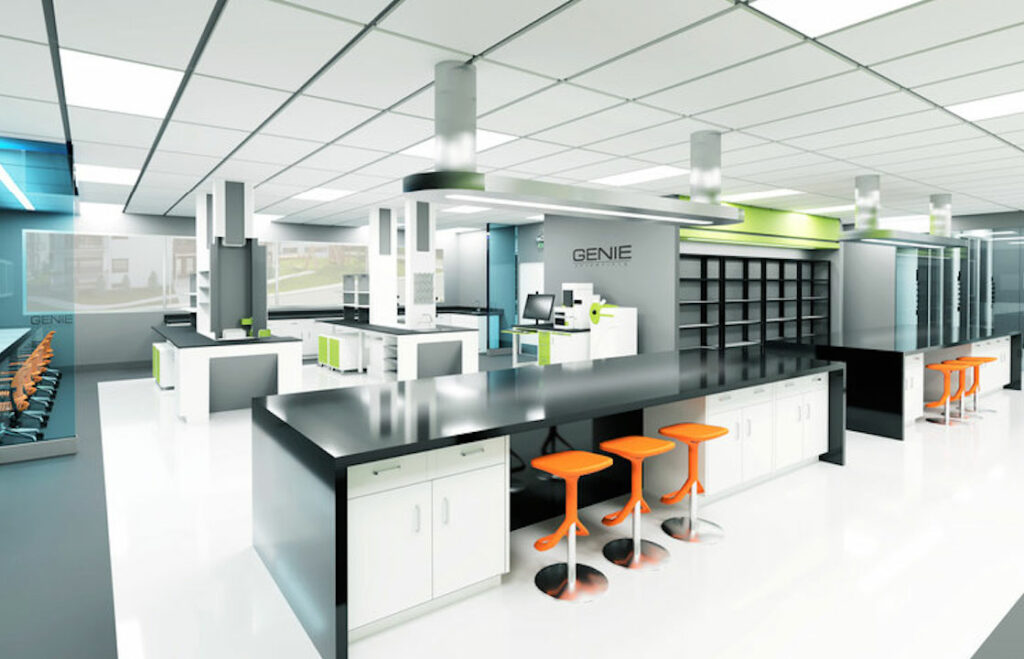
Renovations are also an ideal time to integrate new fume hoods, lab furniture, fixtures and accessories, casework, tables, and workstations. Coordinating these upgrades alongside construction phases allows installations to occur efficiently, reducing the need for repeated disruptions. When furniture and equipment are planned as part of the overall renovation strategy, layouts can be optimized for both current use and long-term flexibility.
By approaching upgrades strategically, laboratory renovation planning transforms a remodel into an investment in performance and longevity. Systems are modernized thoughtfully, research continuity is preserved, and the lab emerges better equipped to support evolving scientific needs.

Maintain Safety & Compliance Throughout the Renovation
Safety and regulatory compliance cannot be treated as secondary concerns during a lab remodel. In active environments, effective laboratory renovation planning ensures that safety standards are maintained continuously—not just before and after construction.
Renovation plans should incorporate ongoing EHS oversight from the start. This includes reviewing biosafety levels, chemical handling procedures, ventilation requirements, and emergency access routes to ensure they remain intact throughout each construction phase. Temporary barriers, signage, and controlled access points help clearly separate work zones from active lab spaces.
Construction activity can introduce new hazards, such as altered airflow, noise, or temporary utility connections. These risks must be managed through documented procedures, routine inspections, and clear communication between contractors and lab staff. Any changes to lab conditions should be assessed promptly to prevent unintended safety issues.
Maintaining compliance also means keeping accurate records. Permits, inspections, safety audits, and incident logs should be updated as renovation progresses. This documentation supports regulatory requirements and provides reassurance that safety has not been compromised in the pursuit of speed or convenience.
By prioritizing safety and compliance throughout the project, laboratory renovation planning protects people, research, and facilities. A well-managed renovation maintains a secure working environment—allowing research to continue with confidence from start to finish.
Communicate Clearly With Research Teams
Even the best-planned renovation can stumble without clear, consistent communication. Effective laboratory renovation planning emphasizes transparency with all stakeholders—researchers, lab staff, and facility teams alike.
Set expectations early by sharing timelines, phased schedules, and potential disruptions. Regular progress updates help staff plan experiments around construction activity and prevent surprises. Visual aids such as floor plans, phase diagrams, and temporary relocation maps can make the process more tangible and easier to understand.
Change management is key. Renovation may require adjustments to workflow, equipment usage, or access to certain areas. Engaging research teams in the planning process encourages cooperation, minimizes resistance, and helps identify practical solutions that protect experiments while keeping the renovation on track.
Ultimately, communication fosters trust. When lab staff understand what’s happening, why it’s happening, and how their research will remain safe, stress is reduced and productivity remains high throughout the renovation.
Additional Reading: Retrofit Your Lab: How to Upgrade Outdated Laboratory Furniture
Conclusion: Confident Laboratory Renovation Planning Starts Here
Renovating an active lab doesn’t have to mean shutting down research. With careful laboratory renovation planning, phased construction, strategic system upgrades, and clear communication, facilities can modernize safely and efficiently—protecting experiments, equipment, and samples every step of the way.
Partnering with single-source experts like Genie Scientific, who are experienced in live laboratory renovations, ensures a smooth process. From initial assessment to final commissioning, the right team keeps disruption minimal, compliance intact, and productivity high.
Consult Genie Scientific today to plan a laboratory renovation that strengthens your space without pausing your research. Trust the experts who understand how to upgrade labs while keeping science moving forward.