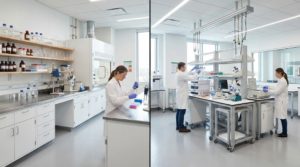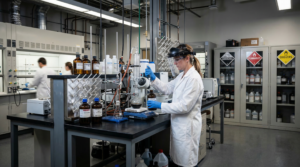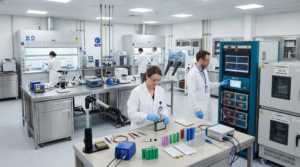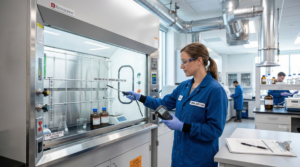

Why Lab Storage Isn’t One-Size-Fits-All
In a laboratory environment, precision matters—and not just in the experiments being conducted. The layout, storage, and organization of tools and materials can directly impact workflow efficiency, researcher safety, and compliance with strict industry standards. Yet, many labs are still outfitted with generic storage solutions that fall short of meeting their specialized needs. That’s where custom lab casework comes in.
Whether you’re running a high-throughput diagnostic lab, a dynamic R&D space, or a teaching lab with shifting requirements, tailored casework allows your team to work smarter, safer, and more efficiently. From chemical resistance and cleanability to smart space utilization and modular flexibility, custom solutions ensure that your storage systems aren’t just an afterthought—they’re an asset.
In this article, we’ll look at how custom lab casework can be designed to support your specific applications, workflows, and compliance needs—while setting your lab up for long-term success.
What Is Custom Lab Casework?
Lab casework refers to the built-in cabinetry, storage systems, and workstations designed to support the functional demands of a laboratory environment. Unlike standard office or residential cabinetry, lab casework must meet rigorous standards for durability, safety, and chemical resistance—while also accommodating specialized equipment, workflows, and cleanliness protocols.
Custom lab casework takes this a step further. Rather than offering a one-size-fits-all solution, custom casework is purpose-built for your lab’s unique requirements. This means selecting materials, layouts, and features that align with your team’s specific processes, safety considerations, and space constraints.
Key features of custom lab casework include:
- Tailored configurations: Cabinets, drawers, shelving, and work surfaces can be designed around the tools, instruments, and storage volumes your lab uses most.
- Material compatibility: Choose from chemical-resistant surfaces, antimicrobial coatings, or moisture-proof materials—depending on your application.
- Workflow integration: Storage can be positioned to support efficient, ergonomic movement through the lab, enhancing both safety and productivity.
- Modularity: Many custom setups allow for reconfiguration as your needs evolve, offering long-term adaptability.
When designed intentionally, custom lab casework doesn’t just store supplies—it supports precision, compliance, and efficiency at every level of lab operations.

Matching Casework to Lab Type and Workflow
No two labs operate exactly alike—and their storage systems shouldn’t either. The right custom lab casework is designed not only to fit the physical space but to align with the lab’s function, processes, and compliance requirements. From materials and configurations to safety and sanitation features, customization enables labs to operate more efficiently and with fewer compromises.
Here’s how casework needs can differ across various lab environments:
Chemical Laboratories
- Challenge: Frequent use of corrosive chemicals and solvents.
- Custom solution: Casework built from acid-resistant materials like epoxy resin or powder-coated steel, with vented cabinets for flammable storage and integrated fume hoods.
- Workflow focus: Safety and containment, with easy access to PPE and emergency supplies.
Additional reading: Chemistry Lab Cabinets: A Buyer’s Guide to Safety and Storage
Bioscience & Clinical Labs
- Challenge: Maintaining sterile conditions and ensuring compliance with biohazard protocols.
- Custom solution: Seamless, easy-to-sanitize surfaces such as stainless steel or phenolic resin. Enclosed storage for biological samples, and modular workstations for diagnostic equipment.
- Workflow focus: Cleanability, infection control, and efficient movement between stations.
Educational & Training Labs
- Challenge: Versatility for multiple users and changing lesson plans.
- Custom solution: Durable, student-friendly casework that balances utility with safety. Lockable cabinets, mobile units, and adaptable storage for a variety of disciplines.
- Workflow focus: Flexibility, durability, and ease of supervision.
R&D and Innovation Labs
- Challenge: Constant evolution of tools, experiments, and project scopes.
- Custom solution: Modular casework systems with interchangeable components, mobile cabinets, and adjustable shelving. Integration with electrical/data access points.
- Workflow focus: Agility and adaptability for iterative experimentation.
By working with a manufacturer who understands the nuances of different lab environments, you can ensure your casework isn’t just functional—it’s strategically designed to support your team’s best work.

Material Selection: Durability Meets Compliance
When it comes to custom lab casework, material selection isn’t just a matter of preference—it’s a matter of performance, safety, and regulatory compliance. The materials used in casework must withstand the unique demands of the lab environment, from chemical exposure and temperature fluctuations to routine cleaning and heavy equipment loads.
Choosing the right materials starts with understanding your lab’s application. Here are some of the most commonly used materials in custom lab casework—and why they matter:
1. Stainless Steel
- Ideal for: Cleanrooms, biomedical labs, and environments with stringent hygiene requirements.
- Why it works: Highly resistant to corrosion, nonporous, and easy to sanitize.
- Bonus: Often used where antimicrobial properties and long-term durability are essential.
2. Powder-Coated Steel
- Ideal for: General chemistry and high-traffic labs.
- Why it works: Durable and impact-resistant, with a chemically resistant powder finish. Available in multiple colors for visual organization or branding.
Additional reading: How Powder-Coated Steel Enhances Lab Furniture Durability
3. Phenolic Resin
- Ideal for: Labs using harsh chemicals or high heat.
- Why it works: Dense, nonporous, and highly resistant to chemicals, moisture, and abrasion. A go-to for fume hood surrounds and heavy-use surfaces.
4. Epoxy Resin
- Ideal for: Wet labs and research environments with consistent chemical exposure.
- Why it works: Seamless, solid surface with exceptional resistance to acids, solvents, and heat. Extremely durable over time.
5. Polypropylene
- Ideal for: Acid digestion labs and labs working with aggressive chemicals.
- Why it works: Non-reactive and corrosion-proof. Naturally chemical-resistant and easy to weld for leak-proof cabinet construction.
6. Wood and Wood Composite (with specialty coatings)
- Ideal for: Educational settings or dry labs with limited chemical exposure.
- Why it works: More affordable and aesthetically warm, especially when protected with chemical-resistant laminates or coatings.
By aligning material selection with your lab’s operational realities, custom lab casework can deliver both form and function—ensuring long-lasting performance without compromising safety or compliance. A knowledgeable casework manufacturer like Genie Scientific can guide you toward the best material combinations for your specific application.

Design Flexibility and Modular Innovation
Modern labs demand more than fixed, rigid cabinetry—they need adaptable systems that can grow, shift, and evolve alongside the science they support. One of the biggest advantages of custom lab casework is its built-in flexibility. When thoughtfully designed, it allows your lab to remain functional today and future-ready tomorrow.
Here’s how custom casework delivers on both precision and possibility:
1. Configurable Components
Cabinets, drawers, and shelving can be arranged in countless combinations to meet your exact spatial and workflow requirements. From tall storage towers to under-counter drawers, everything can be sized and positioned with intention.
2. Modular Systems for Agile Labs
Modular casework is especially valuable in dynamic environments like R&D, academic labs, or pilot facilities. Mobile base cabinets, removable worktops, and adjustable shelving allow for quick reconfiguration without costly renovations.
3. Integrated Features for Specialized Tasks
- Sinks, fume hoods, and safety stations can be seamlessly incorporated.
- Cable and gas management systems can be built directly into casework for clean, hazard-free operations.
- ADA-compliant options ensure accessibility and ergonomic design for all lab users.
4. Optimized Space Utilization
Custom layouts make the most of vertical and horizontal space—whether you’re designing for a compact lab or outfitting a large facility. Efficient casework planning ensures every square foot supports productivity.
5. Future-Proofing Through Scalability
With custom modular systems, your lab doesn’t have to be locked into today’s configuration. You can add new storage, reconfigure workspaces, or expand specialized zones without replacing the entire setup.
When casework is designed with flexibility in mind, your lab isn’t just equipped—it’s empowered. Whether you’re scaling up, shifting focus, or simply refining daily workflow, modular custom lab casework keeps your space aligned with your mission.

Collaborating With a Casework Manufacturer
Designing and implementing custom lab casework isn’t just about choosing cabinets—it’s about creating a storage and workflow solution that fits your lab like a glove. That level of precision requires more than a catalog; it requires a collaborative process with an experienced lab casework manufacturer.
Here’s what that process typically looks like—and how Genie Scientific supports you at every step:
1. Consultation & Needs Assessment
Every project begins with a deep dive into your lab’s goals, applications, and constraints. Genie’s team works with lab managers, architects, and planners to understand:
- Your workflow and equipment needs
- Environmental or chemical exposure concerns
- Compliance requirements (OSHA, ADA, USP, etc.)
- Desired materials, finishes, and layout preferences
This discovery phase ensures your casework is engineered for function, not just appearance.
2. Design & Engineering
Once the requirements are clear, the design team translates them into CAD drawings and detailed layouts. You’ll see exactly how the casework fits your space—down to the cabinet type, hardware, and worktop material. Genie prioritizes both ergonomics and aesthetics to ensure the final product works seamlessly and looks professional.
3. Fabrication & Quality Control
After approval, your custom lab casework is fabricated in Genie’s California-based facility using premium materials and state-of-the-art techniques. Quality checks are integrated throughout the process to ensure every component meets strict durability and safety standards.
4. Delivery & Installation
Whether you’re building a new facility or upgrading an existing one, Genie coordinates closely with your project timeline. Their experienced installers ensure a smooth, on-schedule setup—so you can move forward without disruptions.
5. Ongoing Support & Adjustments
Custom doesn’t mean static. Genie’s modular systems can evolve with your lab’s needs, and their team remains available for future expansions, retrofits, or reconfigurations. It’s not just a product—it’s a long-term partnership.
With Genie Scientific, you’re not buying casework off the shelf. You’re building a high-performance lab environment—
designed, built to SEFA standards, and installed by professionals who understand what science demands.
Conclusion: Casework That Works as Hard as Your Lab
In a high-stakes, fast-paced lab environment, storage is never just storage. It’s a foundational element that supports safety, efficiency, and scientific excellence. Off-the-shelf solutions may check a few boxes—but they rarely check all the right ones.
Custom lab casework allows you to design a workspace that truly works for your team, your tools, and your mission. From material durability to workflow alignment, tailored solutions help labs operate smarter, safer, and with greater precision.
With decades of experience designing and manufacturing lab casework for leading research institutions, Genie Scientific brings both technical know-how and design flexibility to the table. Whether you’re outfitting a new facility or upgrading your current setup, their expert team is ready to help you create storage solutions built for real-world science.
Ready to elevate your lab with custom lab casework? Consult with Genie Scientific to design smarter storage tailored to your application—and your future.