
In laboratory environments where cleanliness, safety, and precision are non-negotiable, furniture materials play a critical role in day-to-day operations. Consistent stainless steel lab furniture maintenance helps preserve surface integrity, supports contamination control, and extends the service life of essential lab fixtures such as workbenches, casework, and storage units.
Stainless steel laboratory furniture is widely trusted for its durability, corrosion resistance, and hygienic properties—but even the highest-quality materials require proper care to perform at their best over time.
Without routine cleaning and correct maintenance practices, stainless steel surfaces can become vulnerable to staining, corrosion, and premature wear—particularly in labs exposed to harsh chemicals or frequent cleaning cycles.
By following proven cleaning, care, and preventive maintenance best practices, laboratories can protect their investment, maintain compliance standards, and ensure that stainless steel furniture continues to support safe and efficient workflows. This guide outlines practical, lab-appropriate strategies to help facilities maximise performance and longevity from their stainless steel lab furniture.
Why Stainless Steel Is the Gold Standard for Laboratory Furniture
Stainless steel has become the material of choice for laboratory furniture across research, healthcare, education, and industrial facilities—and for good reason. Its unique combination of strength, hygiene, and chemical resistance makes it exceptionally well suited to demanding lab environments where surfaces are exposed to frequent cleaning, moisture, and potentially corrosive substances.
One of the primary advantages of stainless steel is its non-porous surface, which resists bacterial growth and prevents contaminants from being absorbed into the material. This characteristic not only supports strict hygiene and safety standards but also simplifies stainless steel lab furniture maintenance, allowing for effective cleaning without compromising surface integrity.
In addition, stainless steel offers excellent resistance to corrosion and staining when properly maintained. Unlike painted or laminated surfaces that can chip, swell, or degrade over time, stainless steel retains its structural and visual integrity under heavy use. This durability translates into lower long-term maintenance costs and a longer service life—especially in laboratories with high traffic or intensive cleaning protocols.
When paired with quality fabrication and thoughtful design, stainless steel laboratory furniture delivers consistent performance while remaining easy to clean and maintain. With the right stainless steel lab furniture maintenance and care practices in place, it continues to set the benchmark for reliability, safety, and longevity in modern lab environments.
Understanding Your Stainless Steel Finish
Not all stainless steel laboratory furniture looks—or behaves—the same. The surface finish plays an important role in how stainless steel responds to daily use, cleaning, and long-term wear. Understanding the type of finish used on lab furniture helps facilities apply the most effective stainless steel lab furniture maintenance practices while preserving both appearance and performance.
Common finishes used in laboratory settings include brushed, satin, and polished stainless steel. Brushed and satin finishes are especially popular in working labs because they help mask fingerprints, light scratches, and routine wear. These finishes also provide a slightly textured surface that maintains a professional appearance even under frequent use and cleaning.
Polished stainless steel, while visually striking, is typically more reflective and may show smudges or scratches more readily. In environments where aesthetics are important—such as cleanrooms, pharmaceutical labs, or client-facing spaces—polished finishes are often selected, but they may require more attentive maintenance to keep surfaces looking pristine.
The direction of the finish grain is another key consideration. Cleaning and wiping stainless steel surfaces in the direction of the grain helps prevent streaking and micro-scratches, ensuring that routine care supports long-term durability. Matching cleaning methods to the specific finish allows laboratories to protect surface integrity while maximising the benefits of stainless steel lab furniture maintenance.
Additional Reading: Stainless Steel Lab Equipment: Combining Hygiene with Precision

Daily & Routine Cleaning Best Practices
Consistent daily cleaning is the foundation of effective stainless steel lab furniture maintenance. Regular care not only preserves the appearance of stainless steel surfaces but also helps prevent the buildup of residues that can lead to staining, corrosion, or hygiene concerns over time.
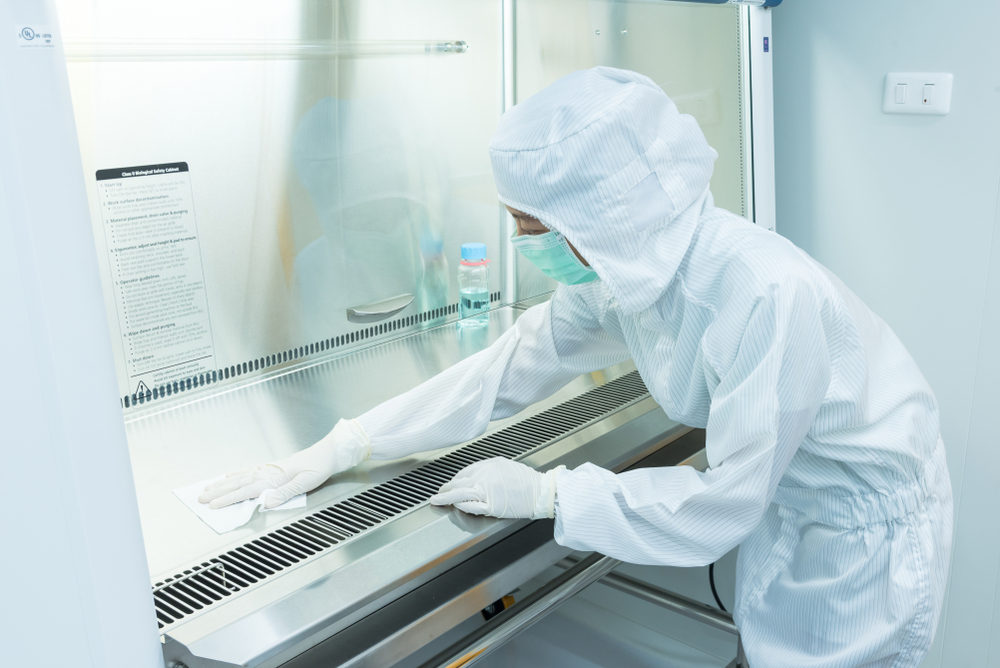
For routine cleaning, warm water combined with a mild detergent is typically sufficient. Using a soft cloth or microfiber wipe helps remove surface contaminants without scratching or dulling the finish. In busy laboratory environments, establishing a simple daily wipe-down protocol can significantly reduce long-term maintenance needs.
When cleaning stainless steel lab furniture, it is important to wipe in the direction of the grain. This minimises streaking and helps maintain the original surface finish, particularly on brushed or satin stainless steel. After cleaning, surfaces should be rinsed with clean water and dried thoroughly to prevent water spots or mineral deposits.
Spills—especially those involving chemicals, acids, or salts—should be addressed promptly. Allowing substances to sit on stainless steel surfaces increases the risk of discolouration or surface damage, even on corrosion-resistant materials. Quick response and routine attention are key elements of successful stainless steel lab furniture maintenance in high-use lab settings.
By keeping cleaning practices simple, consistent, and finish-appropriate, laboratories can maintain safe, professional-looking workspaces while extending the service life of their stainless steel furniture.
Disinfecting Stainless Steel in Laboratory Settings
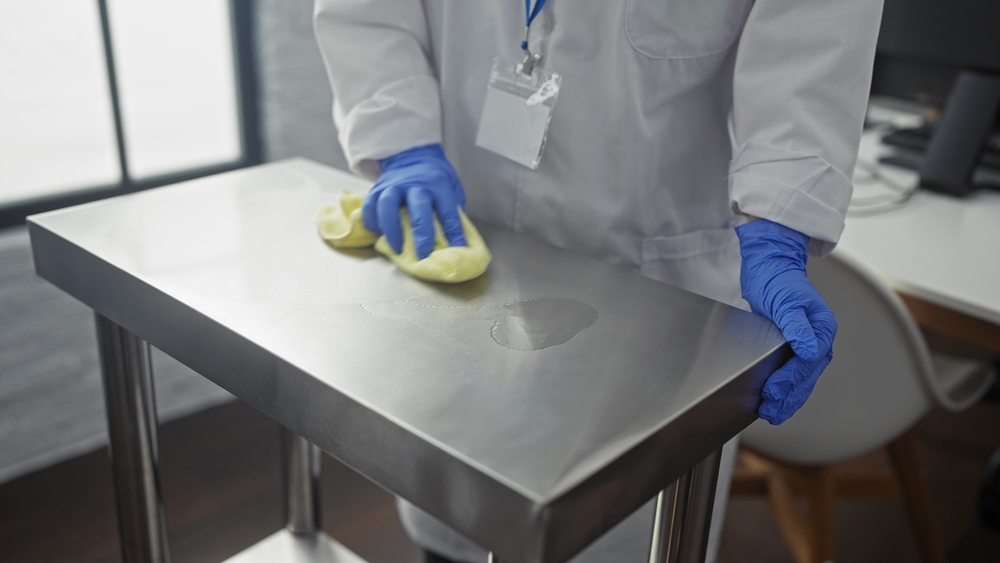
While routine cleaning removes visible dirt and residues, disinfection plays a separate and equally important role in laboratory hygiene. Effective stainless steel lab furniture maintenance requires understanding when and how to disinfect surfaces without compromising the integrity of the material.
Stainless steel is well suited for laboratory disinfection because its non-porous surface allows disinfectants to work effectively without being absorbed. Commonly used lab-approved disinfectants—such as alcohol-based solutions or appropriately diluted disinfecting agents—can be applied safely when manufacturer guidelines are followed. Selecting disinfectants compatible with stainless steel helps maintain both compliance and surface longevity.
In high-touch or high-risk areas, such as workbenches, prep tables, and storage handles, disinfection may be required more frequently than general cleaning. Allowing disinfectants the proper contact time is essential for effectiveness, but surfaces should not be left wet longer than necessary. After disinfection, wiping surfaces dry helps prevent residue buildup that could affect the finish over time.
It is also important to avoid excessive or improper chemical use. Overly concentrated disinfectants or repeated exposure to harsh chemicals can increase the risk of surface discolouration or corrosion. Incorporating correct disinfection protocols into routine stainless steel lab furniture maintenance ensures a balance between hygiene requirements and material protection.
What to Avoid: Common Mistakes That Damage Stainless Steel
Even with regular cleaning and disinfection, certain practices can undermine effective stainless steel lab furniture maintenance and lead to unnecessary surface damage. Many of these issues stem from well-intentioned but incorrect cleaning habits.
One of the most common mistakes is using abrasive pads, steel wool, or harsh scrubbing tools. These materials can scratch stainless steel surfaces, damage protective layers, and make furniture more susceptible to staining or corrosion over time. Similarly, abrasive powdered cleaners should be avoided, as they can dull finishes and leave micro-scratches that trap contaminants.
Harsh chemicals—particularly those containing chlorides or bleach—can also cause damage if used improperly or too frequently. While some disinfectants are necessary in laboratory environments, allowing these substances to sit on stainless steel surfaces for extended periods increases the risk of discolouration and corrosion. Always follow dilution guidelines and remove chemical residues promptly.
Another frequent oversight is failing to rinse and dry surfaces after cleaning or disinfecting. Residual moisture and cleaning agents can leave streaks, water spots, or mineral deposits that affect both appearance and long-term performance. Over time, these residues can compromise the effectiveness of stainless steel lab furniture maintenance.
By avoiding abrasive tools, incompatible chemicals, and prolonged surface exposure, laboratories can prevent premature wear and preserve the durability and clean appearance of their stainless steel furniture.

Preventing Corrosion, Staining & Surface Damage
Although stainless steel is highly resistant to corrosion, it is not completely immune—especially in laboratory environments where moisture, chemicals, and frequent cleaning are part of daily operations. Proactive stainless steel lab furniture maintenance focuses on minimising exposure risks and addressing potential issues before they develop into permanent damage.
One of the most effective preventive measures is prompt spill management. Chemicals, acids, salts, and cleaning agents should be wiped up as soon as possible to prevent surface reactions or staining. Even substances considered mild can cause discolouration if left on stainless steel for extended periods.
Environmental conditions also play a role in long-term surface health. High humidity, poor ventilation, or repeated exposure to aggressive chemicals can increase the likelihood of corrosion over time. Maintaining stable environmental conditions and ensuring proper airflow around lab furniture helps reduce these risks.
Regular inspections are another important element of preventive care. Early signs such as dull spots, discolouration, or residue buildup can often be resolved with proper cleaning before more serious damage occurs. Incorporating routine checks into stainless steel lab furniture maintenance protocols allows facilities to preserve surface integrity and address concerns early.
By combining prompt response, environmental awareness, and routine observation, laboratories can significantly extend the lifespan of stainless steel furniture while maintaining a clean, professional appearance.

Long-Term Care & Preventive Maintenance Tips
Beyond daily cleaning and routine disinfection, long-term care is essential for preserving the performance and appearance of stainless steel laboratory furniture. A structured approach to stainless steel lab furniture maintenance helps laboratories anticipate issues, reduce downtime, and protect their investment over the long haul.
Periodic inspections should be scheduled to assess the condition of stainless steel surfaces, seams, and joints. Checking for early signs of discolouration, surface residue, or minor corrosion allows maintenance teams to address small issues before they escalate into costly repairs or replacements.
Occasional polishing may also be beneficial, particularly in high-visibility or high-use areas. Polishing helps restore surface lustre, smooth minor imperfections, and reinforce the protective chromium oxide layer that gives stainless steel its corrosion resistance. When polishing is performed, it should always be done using stainless steel–appropriate products and techniques that align with the surface finish.
In some cases, expert assistance may be the best course of action. Professional maintenance services can provide deeper cleaning, surface restoration, or passivation when furniture has been exposed to aggressive chemicals or prolonged wear.
Knowing when to seek expert help is an important aspect of effective stainless steel lab furniture maintenance, ensuring that lab furniture continues to meet performance, safety, and appearance standards.
By combining routine inspections, occasional polishing, and timely professional support, laboratories can extend the service life of stainless steel furniture while maintaining consistent, high-quality working conditions.
How Quality Fabrication Supports Easier Stainless Steel Lab Furniture Maintenance
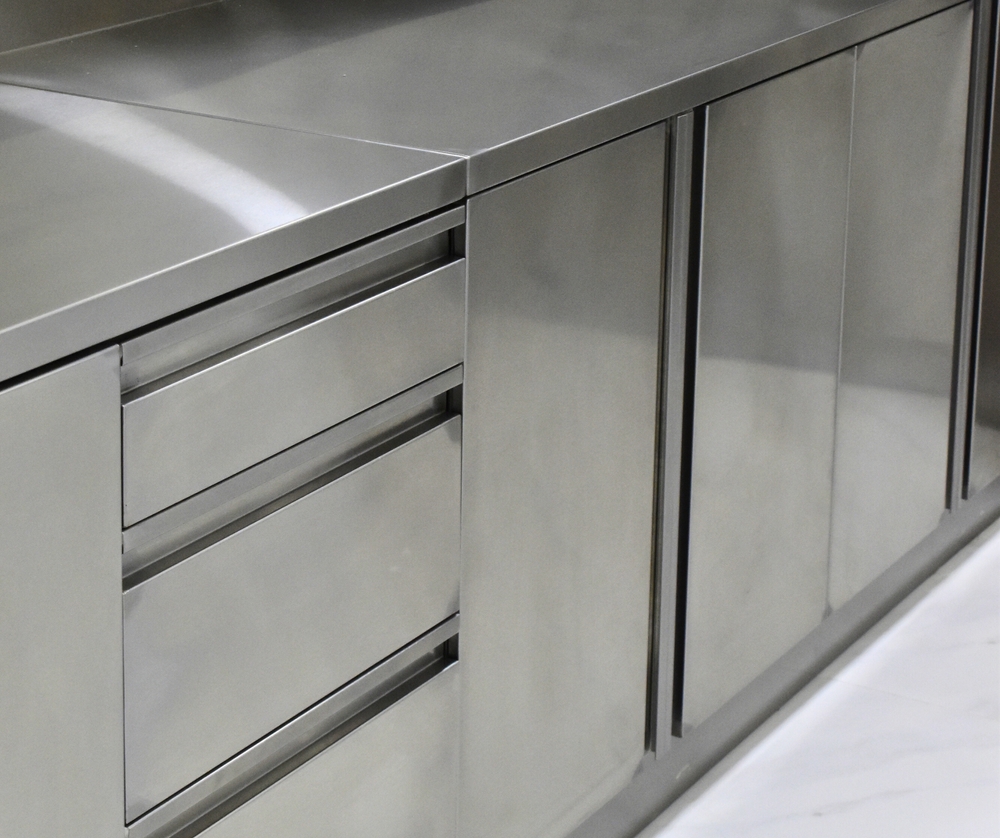
The ease and effectiveness of stainless steel lab furniture maintenance starts long before cleaning supplies touch the surface. Thoughtful design and high-quality fabrication play a crucial role in ensuring furniture remains durable, hygienic, and low-maintenance over its lifespan.
Precision welding, smooth seams, and carefully designed edges minimise crevices where dirt, dust, or liquids could accumulate. This not only supports daily cleaning routines but also reduces the risk of contamination in sensitive lab environments. Well-constructed furniture is easier to disinfect, less prone to staining, and better equipped to withstand the demands of high-traffic laboratories.
This is where partnering with a trusted single-source provider like Genie Scientific makes a real difference. Their stainless steel laboratory furniture includes fume hoods, casework, workstations, and more—all engineered for performance, durability, and maintainability—so labs can focus on research and operations, rather than worrying about upkeep. Quality fabrication paired with proper maintenance practices ensures that furniture continues to support safe, efficient workflows for years to come.
By investing in expertly designed stainless steel furniture, laboratories gain more than durability—they gain confidence that routine stainless steel lab furniture maintenance and cleaning and preventive steps will be both effective and manageable.
Quick Stainless Steel Lab Furniture Maintenance Checklist
Daily Cleaning
- Wipe surfaces with warm water and mild detergent.
- Use a soft cloth or microfiber wipe, following the grain of the steel.
- Rinse and dry thoroughly to prevent water spots.
- Immediately clean up spills, especially chemicals, acids, or salts.
Disinfection
- Apply lab-approved disinfectants as needed, following dilution guidelines.
- Allow proper contact time, then wipe dry.
- Focus on high-touch areas: workbenches, handles, storage doors.
Weekly / Routine Care
- Inspect surfaces for stains, discolouration, or residue buildup.
- Remove any minor spots with a gentle stainless steel cleaner.
- Check seams, edges, and joints for debris or potential corrosion.
Monthly / Preventive Maintenance
- Polish surfaces in high-use or visible areas to restore lustre.
- Confirm environmental conditions (humidity, ventilation) are within safe limits.
- Schedule professional maintenance if any surface issues are detected.
Avoid
- Abrasive pads, steel wool, or powdered cleaners.
- Harsh chemicals with chlorides or bleach without proper guidance.
- Letting spills or cleaning solutions sit on surfaces for extended periods.
Pro Tip: Consistency beats complexity —for stainless steel lab furniture maintenance, small, regular efforts keep your stainless steel lab furniture looking and performing like new for years.
Conclusion: Protecting Performance, Safety & Longevity
Maintaining stainless steel laboratory furniture is more than a routine task—it’s an investment in the longevity, safety, and efficiency of your laboratory environment. Consistent stainless steel lab furniture maintenance ensures that surfaces remain hygienic, corrosion-resistant, and visually professional, even under the demands of daily use and frequent cleaning.
From understanding the right finishes to following proper cleaning, disinfection, and preventive care routines, every step plays a role in extending the life of your furniture. Avoiding common mistakes, performing regular inspections, and knowing when to seek professional support further safeguard your investment and streamline long-term maintenance efforts.
Partnering with an experienced provider like Genie Scientific ensures that your lab furniture is designed for durability, easy cleaning, and reliable performance. Combined with proper maintenance, high-quality stainless steel furniture continues to support safe, efficient, and compliant laboratory operations for years to come.
Invest in quality. Maintain with care. Reap the benefits of stainless steel lab furniture built to last.