
Why Stainless Steel Lab Furniture Maintenance Matters More Than You Think
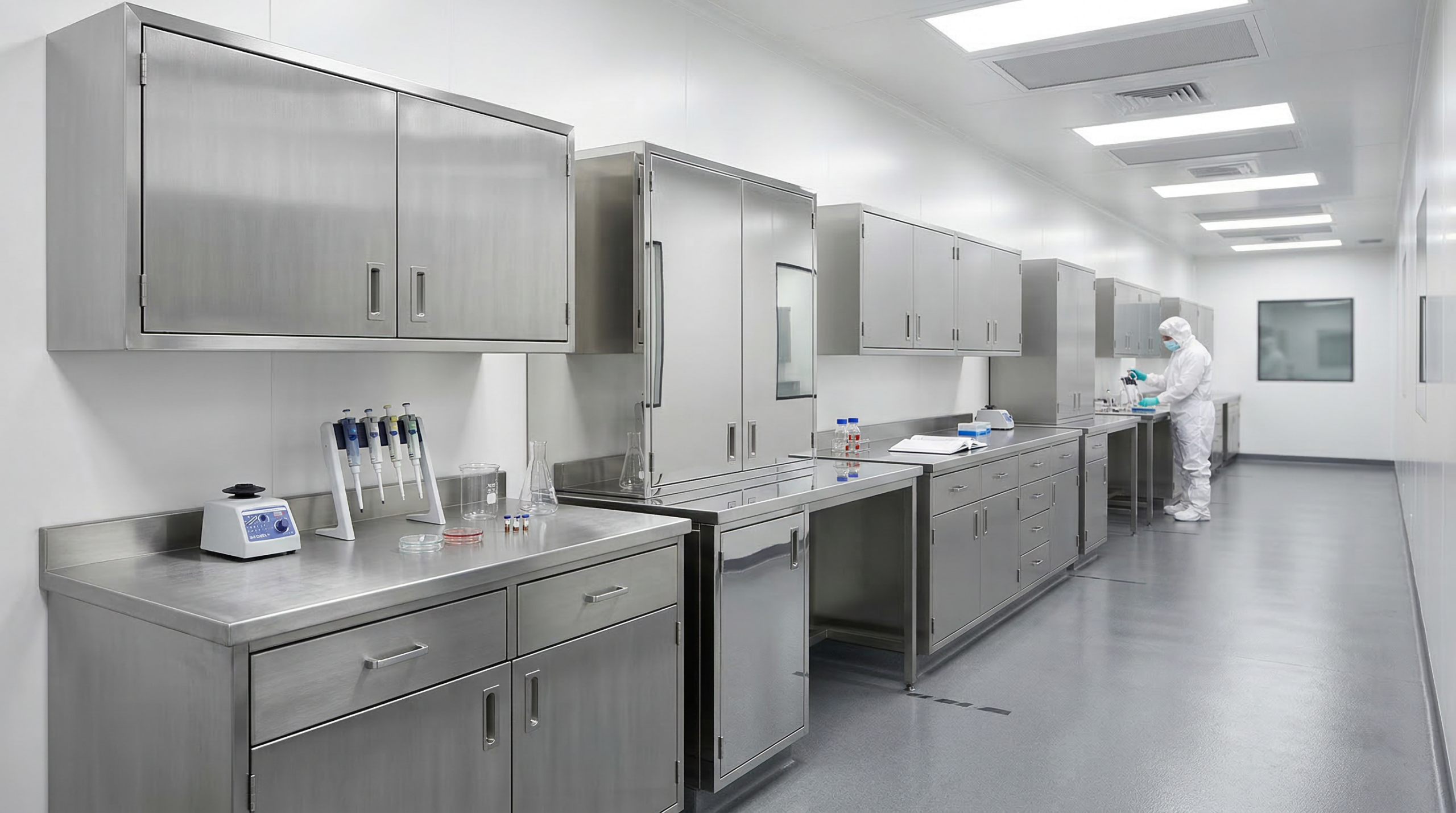
Stainless steel lab furniture maintenance is one of the most overlooked factors in laboratory operational efficiency. Many lab managers assume that because stainless steel is inherently durable and corrosion-resistant, it requires little attention. That assumption leads to premature surface degradation, compromised hygiene, and costly early replacements.
Stainless steel earns its name from the chromium oxide layer that forms naturally on its surface. This invisible protective film is what prevents rust and resists chemical attack. But that layer can be damaged by improper cleaning agents, abrasive tools, or prolonged exposure to certain chemicals. Once compromised, even high-grade 316L stainless steel becomes vulnerable.
Genie Scientific designs stainless steel lab furniture built for decades of demanding service. But even the best-engineered surfaces need proper care to deliver on that promise. Understanding the science behind stainless steel care is the first step toward maximizing your investment.
Daily Cleaning Protocols for Stainless Steel Lab Equipment
Consistent daily cleaning is the foundation of any stainless steel care guide. The goal is to remove contaminants before they have a chance to compromise the passive chromium oxide layer. A disciplined daily routine prevents the buildup that leads to pitting, staining, and microbial colonization.
For a deeper understanding of why stainless steel outperforms other materials in lab settings, read about stainless steel lab equipment combining hygiene with precision. Follow this daily cleaning protocol:
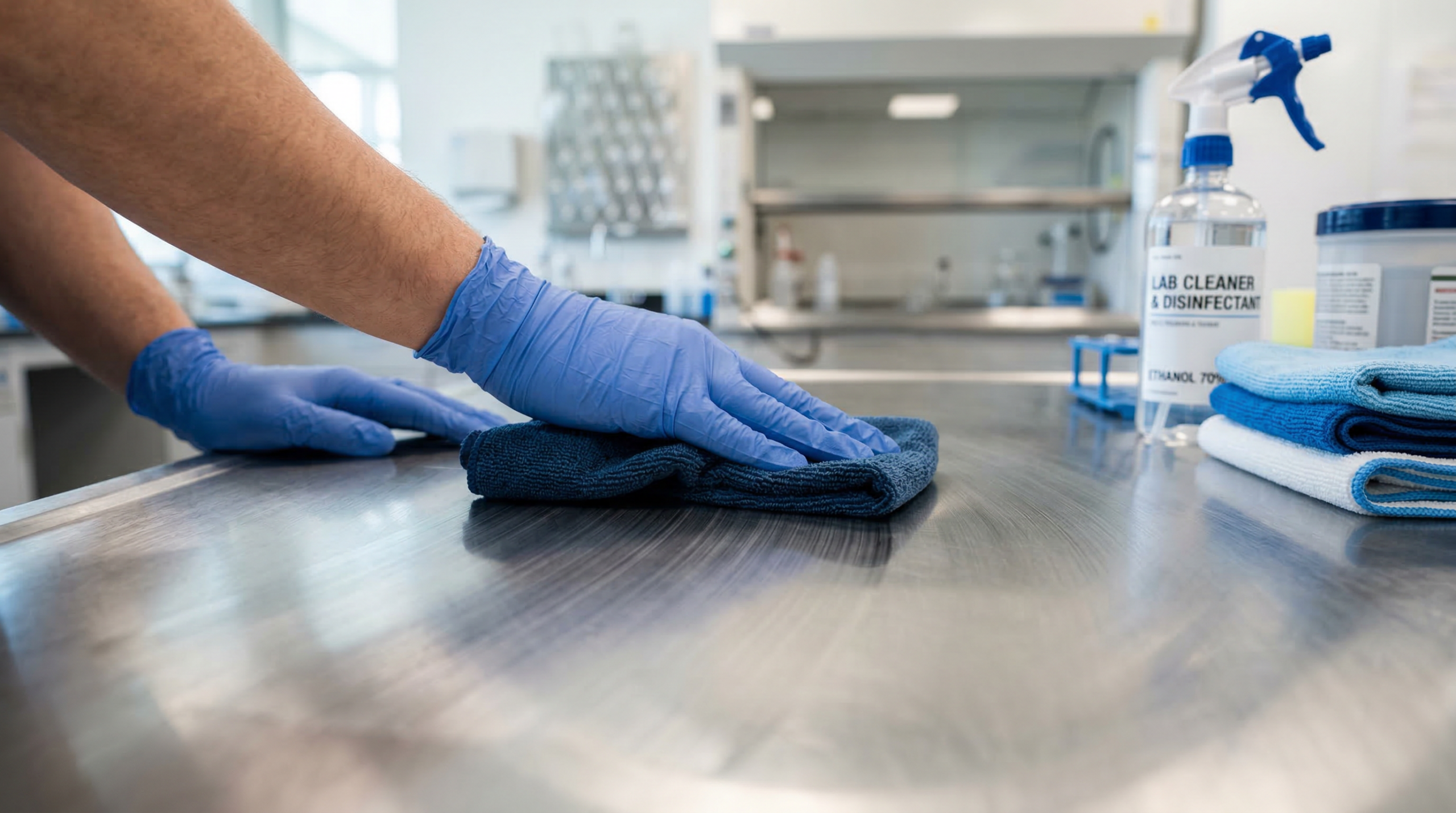
- Wipe all work surfaces with a soft microfiber cloth dampened with warm water and a mild pH-neutral detergent. Avoid scouring pads, steel wool, or any abrasive material.
- Always wipe in the direction of the grain (the visible brush lines on the surface). Wiping across the grain pushes contaminants into the surface texture and creates visible scratching.
- Rinse thoroughly with clean water after applying any cleaning solution. Residual detergent can leave films that attract dirt and dull the surface over time.
- Dry all surfaces completely with a clean, lint-free cloth. Standing water, especially in hard-water areas, leaves mineral deposits that can initiate pitting corrosion.
- Clean up chemical spills immediately. Even brief contact with hydrochloric acid, bleach concentrates, or ferric chloride solutions can damage the passive layer.
- Remove adhesive residue from labels or tape promptly using isopropyl alcohol. Aged adhesive becomes progressively harder to remove without abrasive action.
Weekly and Monthly Deep Cleaning Procedures
Daily cleaning handles routine contamination, but weekly and monthly deep cleaning addresses the gradual buildup that daily wipes miss. Joints, crevices, drawer tracks, and the undersides of shelves all accumulate residue that eventually becomes a hygiene concern.
Weekly deep cleaning tasks should include:
- Clean all drawer interiors, shelf undersides, and cabinet hinges with a stainless steel-safe cleaner. Pay special attention to areas where condensation may collect.
- Inspect all welds and seams for early signs of crevice corrosion. These junctions are where moisture and chemicals tend to concentrate.
- Apply a stainless steel polish or passivation spray to high-traffic work surfaces. These products help restore and strengthen the chromium oxide layer.
- Check and clean ventilation grilles, grated shelving, and any perforated panels where particulate matter accumulates.
- Disinfect high-touch surfaces such as handles, drawer pulls, and latch mechanisms using a lab-grade disinfectant compatible with stainless steel.
Chemicals to Avoid When Cleaning Stainless Steel Lab Surfaces
Not all cleaning agents are safe for stainless steel. Using the wrong chemical can strip the passive layer, cause pitting, or create permanent discoloration. This is one of the most common mistakes in cleaning stainless steel lab equipment, and the damage is often irreversible.
These chemicals and materials should never be used on stainless steel lab furniture:
- Chlorine-based bleach (sodium hypochlorite) at concentrations above 1%. If bleach must be used for disinfection, dilute to a 1:10 ratio and rinse immediately with clean water.
- Hydrochloric acid (muriatic acid) in any concentration. Even trace exposure initiates aggressive pitting.
- Abrasive powdered cleansers such as Comet or Ajax. The grit in these products scratches the surface and removes the passive layer.
- Steel wool, wire brushes, or carbon-steel scraping tools. These leave iron particles embedded in the surface that rust and create staining halos.
- Silver polish or brass polish. These products contain chemicals formulated for softer metals and will damage stainless steel.
- Oven cleaners and strong alkaline degreasers above pH 12. These can etch the surface and cause discoloration.
Preventing and Treating Common Stainless Steel Issues in Labs
Even with excellent cleaning practices, stainless steel lab furniture can develop issues over time. Understanding the durability of steel and why it is ideal for lab environments gives you the context to recognize when a surface issue is cosmetic versus structural. The most common problems and their treatments include:
- Tea staining (light brown discoloration): Caused by airborne contaminants in coastal or industrial environments. Treat with a non-abrasive stainless steel cleaner and increase cleaning frequency.
- Pitting corrosion (small pinholes in the surface): Usually caused by prolonged chloride exposure. Minor pitting can be treated with a passivation solution. Severe pitting requires professional assessment.
- Heat tint (rainbow discoloration near welds): Common after welding or extreme heat exposure. Remove with a specialized pickling paste or electrochemical cleaning.
- Fingerprint staining: Oils from skin contact create visible marks, especially on polished finishes. Regular wiping with a microfiber cloth and stainless steel cleaner prevents buildup.
- Scratching: Light surface scratches can often be blended using a Scotch-Brite pad rubbed in the direction of the grain. Deep scratches may require professional refinishing.
- Galvanic corrosion: Occurs when dissimilar metals contact stainless steel in the presence of moisture. Prevent by using proper insulating gaskets between different metals.
Building a Lab Furniture Longevity Program
A proactive longevity program extends the useful life of your stainless steel lab furniture by years or even decades. Rather than reacting to problems as they appear, a structured maintenance program prevents degradation before it starts. For a comprehensive overview of lab maintenance best practices, consult the Laboratory Maintenance 101 guide.
Key components of an effective lab furniture longevity program include:
- Documented maintenance schedule: Create a written calendar of daily, weekly, monthly, and annual maintenance tasks with assigned responsibilities and sign-off tracking.
- Staff training: Ensure all lab personnel understand proper cleaning techniques, prohibited chemicals, and spill response procedures. New hires should receive maintenance training during onboarding.
- Inspection checklists: Develop standardized inspection forms that technicians use during scheduled checks. Consistent documentation makes it easy to spot developing issues early.
- Vendor partnership: Work with your furniture supplier to establish warranty terms, understand recommended care procedures, and schedule periodic professional assessments.
- Spare parts inventory: Keep replacement parts for hardware components like drawer slides, hinges, and casters on hand. Small hardware failures often lead to bigger damage if not addressed promptly.
- Annual passivation treatment: Schedule a full passivation treatment of all stainless steel surfaces annually. This chemical process restores the chromium oxide layer and removes embedded iron contamination.
Conclusion: Protect Your Stainless Steel Investment with Consistent Care
Stainless steel lab furniture maintenance is not complicated, but it does require consistency and the right approach. The combination of daily cleaning discipline, proper chemical selection, and a structured longevity program will keep your lab surfaces performing and looking their best for decades.
The most expensive mistake is neglect. A few minutes of daily attention prevents the kind of damage that leads to expensive resurfacing or premature replacement. Your stainless steel furniture was designed to last. Give it the care it deserves.
Genie Scientific manufactures stainless steel lab furniture engineered for the rigors of modern research environments. From material selection to surface finishing, every detail is optimized for durability and ease of maintenance. Contact our team to learn more about choosing and caring for stainless steel furniture that will serve your lab for years to come.