
Why Laboratory Renovation Planning Demands a Different Approach
Laboratory renovation planning requires a fundamentally different strategy than renovating a standard commercial space. Active research programs, sensitive equipment, and strict safety protocols all create constraints that typical construction projects never encounter. A single day of unplanned downtime can compromise months of experimental data or destroy irreplaceable biological samples.
The stakes are high, but the rewards are equally significant. Outdated labs suffer from inefficient workflows, increased safety risks, and difficulty attracting top research talent. By approaching your renovation with a structured, phased plan, you can modernize your facility while keeping critical research on track.
At Genie Scientific, we work with lab managers and facilities planners who face this exact challenge. The key is treating the renovation as a research project itself, with clearly defined phases, contingency plans, and measurable milestones.
Assessing Your Lab’s Current State Before Renovation
Before any renovation work begins, you need a thorough baseline assessment of your facility. This goes beyond a simple walk-through. You need to document every piece of equipment, every workflow pattern, and every utility connection that could be affected by construction.
Start with these critical assessment areas:
- Infrastructure mapping: Document all electrical circuits, plumbing lines, gas supply routes, HVAC ductwork, and data cabling. Identify which systems serve which lab zones.
- Equipment inventory: Catalog every major instrument with its utility requirements, vibration sensitivity, and environmental needs (temperature, humidity, cleanliness).
- Workflow analysis: Track how researchers move through the space during a typical week. Identify bottlenecks, shared resources, and peak usage times.
- Safety audit: Review current ventilation rates, fume hood performance, emergency egress paths, and chemical storage compliance. Any renovation must maintain or improve these metrics.
- Regulatory review: Check current compliance status with OSHA, EPA, NIH, and any accreditation bodies. Renovation plans must account for all applicable codes and standards.
Phased Lab Renovation Strategies That Protect Research Continuity
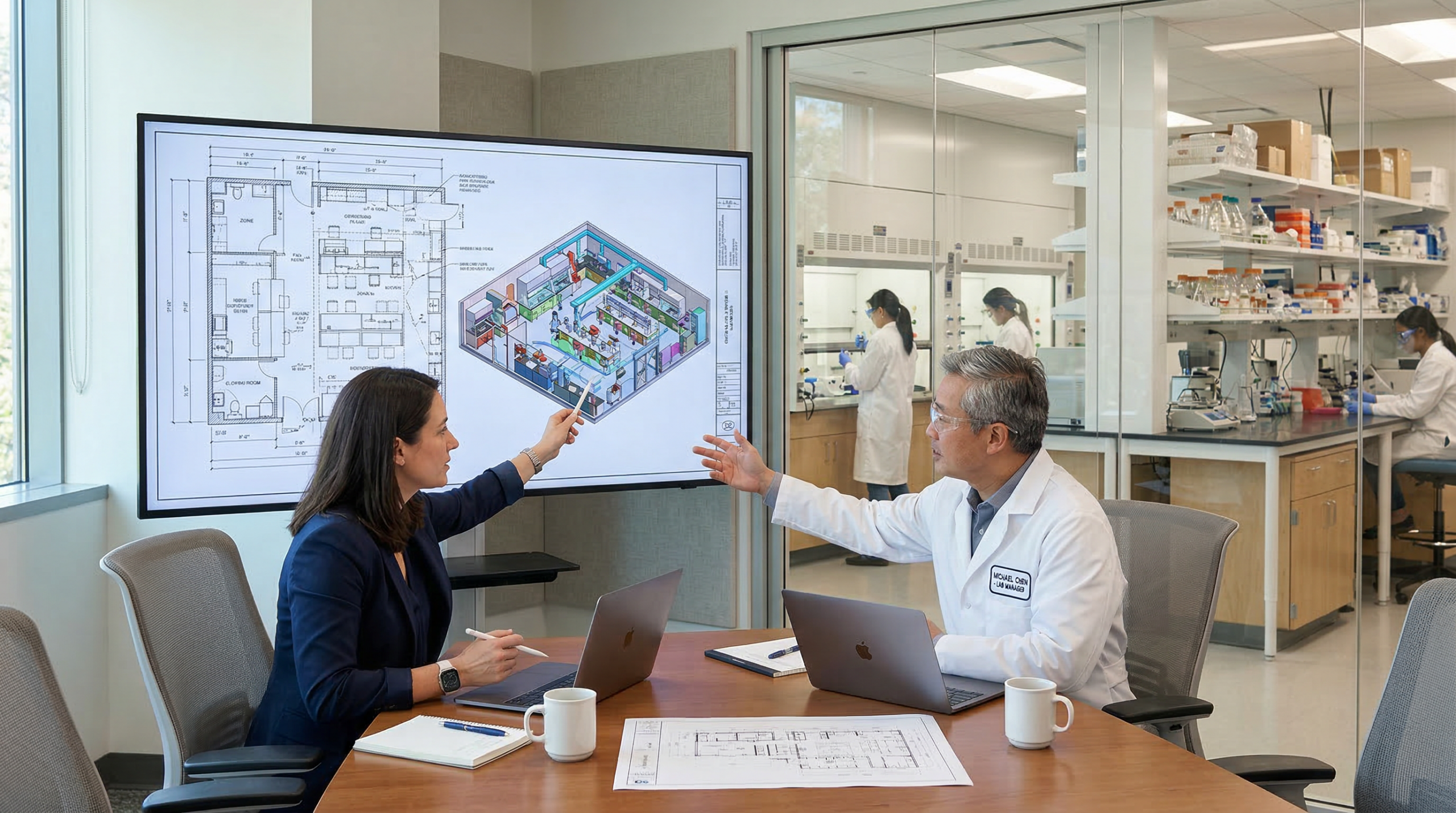
The most effective approach to a lab renovation without disruption is a phased strategy. Rather than shutting down the entire facility, you divide the space into renovation zones and tackle them sequentially. Each phase is planned so that researchers always have access to the critical resources they need.
There are several proven phased approaches to consider:
- Zone-by-zone renovation: Divide the lab into independent zones based on utility infrastructure and workflow clusters. Renovate one zone at a time while others remain fully operational.
- Swing space strategy: Designate a temporary lab area (swing space) where displaced researchers can continue work while their primary zone is under renovation. This requires careful equipment relocation planning.
- Off-hours construction: Schedule the noisiest and most disruptive work during evenings, weekends, or scheduled breaks. This is ideal for tasks like demolition, concrete cutting, or heavy equipment installation.
- Weekend blitz approach: Concentrate high-impact renovation tasks into extended weekend windows. This works well for retrofitting your lab with upgraded furniture or replacing casework in a defined area.
- Parallel path planning: Run design, procurement, and permitting activities in parallel rather than sequentially. This compresses the overall timeline without increasing daily disruption.
Managing Equipment and Samples During a Lab Renovation
Equipment relocation and sample protection are often the most stressful aspects of a lab renovation. Sensitive instruments may need specialized movers, recalibration after transport, and specific environmental conditions during storage. Biological samples, chemical reagents, and reference standards all require uninterrupted cold chain or controlled storage.
Create a detailed equipment migration plan that addresses every instrument:
- Classify equipment by movability: Label instruments as stationary (cannot move), relocatable (can move with professional help), or portable (staff can move safely).
- Schedule calibration windows: Book instrument recalibration services immediately after relocation. Build these lead times into the renovation schedule.
- Secure sample storage: Arrange backup freezer and refrigerator capacity well before renovation begins. Use temperature monitoring systems with remote alerts during any transition period.
- Protect sensitive equipment in place: For instruments that cannot move, install temporary barriers, dust containment systems, and vibration isolation as needed.
- Coordinate vendor support: Notify equipment manufacturers of planned moves. Some warranties require manufacturer-supervised relocation.
Communication and Stakeholder Coordination for Lab Upgrades
A research lab upgrade affects far more people than the construction crew and lab manager. Principal investigators, graduate students, facilities management, EHS officers, procurement, and building administration all need timely, accurate information about what is happening and when.
Effective communication prevents the most common renovation failures. When researchers are surprised by unexpected shutdowns or access restrictions, frustration escalates quickly and workarounds can create safety hazards.
For comprehensive guidance on managing the full scope of a lab construction project, see The Comprehensive Guide to Laboratory Construction. Key communication practices include:
- Establish a single point of contact: Designate one person as the renovation coordinator who can answer questions and resolve conflicts between research and construction schedules.
- Hold weekly briefings: Short, standing meetings with all affected PIs keep everyone informed and provide a forum for raising concerns before they become crises.
- Post visual schedules: Display renovation timelines in common areas showing which zones are affected each week. Use color-coding for quick comprehension.
- Create a digital dashboard: Maintain an online tracker where anyone can check the current renovation status, upcoming utility shutdowns, and schedule changes.
- Document decisions: Keep a written log of every schedule change, scope modification, and stakeholder agreement. This protects everyone when questions arise later.
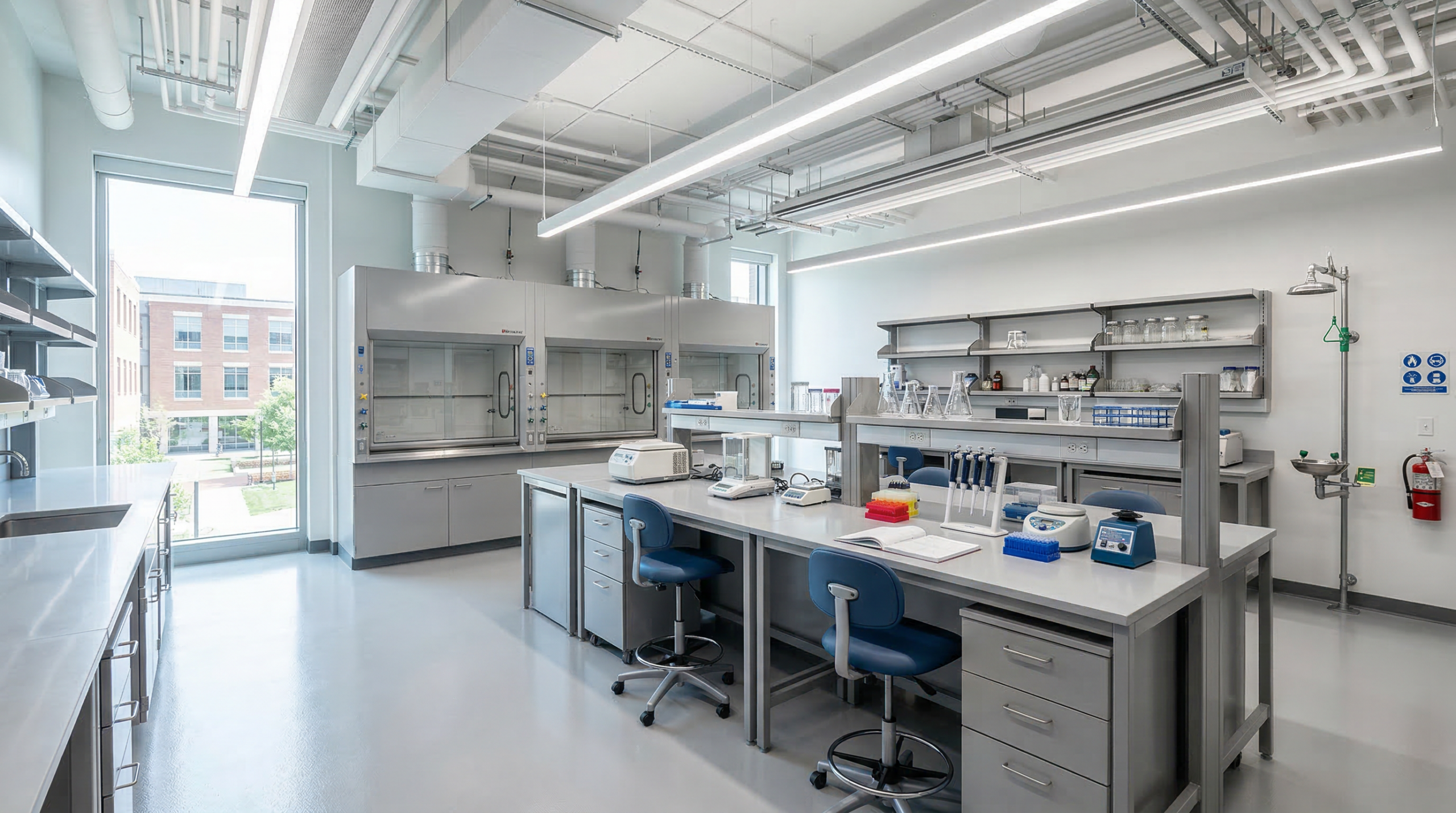
Optimizing Your Lab Layout During Renovation
A renovation is the ideal opportunity to rethink your lab layout from the ground up. Workflows that evolved organically over decades often contain inefficiencies that only become apparent when you step back and analyze movement patterns, equipment placement, and collaborative needs.
Consider applying lean design principles to your lab furniture layout during the renovation. Lean thinking helps eliminate wasted motion, reduce bottlenecks, and create more flexible workspaces. Key layout optimization strategies include:
- Group related workflows: Place instruments, supplies, and workstations used in the same protocols adjacent to each other to minimize travel distance.
- Separate clean and dirty zones: Design clear traffic patterns that prevent cross-contamination between sample preparation areas and waste handling zones.
- Plan for flexibility: Choose modular furniture and movable casework that can be reconfigured as research needs change without another major renovation.
- Maximize natural light: Position computational and writing workstations near windows while keeping light-sensitive instruments in interior zones.
- Right-size storage: Analyze actual storage utilization before specifying new casework. Many labs have excess cabinet space filled with outdated supplies while frequently used items are hard to reach.
Conclusion: Building a Renovation Plan That Protects Your Research Investment
Successful laboratory renovation planning is ultimately about risk management. Every decision, from phasing strategy to equipment relocation, should be evaluated against its potential impact on ongoing research. The extra time spent on detailed planning and stakeholder communication pays for itself many times over in avoided disruption.
Start with a thorough assessment, commit to a phased approach, and invest in clear communication throughout the process. Your renovation can deliver a modernized, efficient, and safer laboratory without sacrificing the research continuity your team depends on.
Genie Scientific partners with lab managers and facilities planners to navigate the complex intersection of construction and active research. Whether you are upgrading casework, reconfiguring layouts, or planning a full-facility renovation, the right furniture and design partner makes all the difference. Reach out to explore how a structured renovation plan can transform your laboratory without putting your research at risk.