
In today’s laboratory environments, efficiency isn’t just about getting results—it’s about doing so sustainably. As laboratories face increasing energy costs and environmental concerns, the push for energy-efficient solutions is stronger than ever. One such solution that’s gaining traction is the energy-efficient fume hood, a critical piece of equipment in labs that require controlled ventilation and air management.
Energy-efficient fume hoods offer a smart way to reduce both operational costs and the environmental impact of lab operations. By incorporating advanced technologies such as Variable Air Volume (VAV) systems, low-flow options, and precise sash management, these fume hoods are transforming the way labs approach safety and energy consumption.
At Genie Scientific, we understand that fume hoods are more than just a safety feature—they’re an investment in long-term laboratory efficiency. With our cutting-edge energy-efficient designs, we provide laboratories with solutions that not only improve safety but also reduce their energy footprint.
Additional Reading: The Evolution of Laboratory Fume Hoods
What Are Energy-Efficient Fume Hoods?
Energy-efficient fume hoods are laboratory ventilation systems designed to reduce energy consumption without compromising safety or performance. These hoods are engineered with advanced technologies that optimize airflow, maintain effective containment of hazardous fumes, and ensure that laboratory staff are protected, all while using less energy compared to traditional models.
At the core of energy-efficient fume hoods is the balance between airflow and safety. Conventional fume hoods often operate at full capacity, using large volumes of air regardless of the specific needs of the lab or the tasks being performed.
Energy-efficient models, on the other hand, adjust their airflow according to real-time requirements, which means less energy is consumed while still providing the necessary protection.
In recent years, as sustainability has become a top priority in laboratory operations, these hoods have become indispensable in efforts to reduce operational costs and minimize environmental impact.
By integrating features such as Variable Air Volume (VAV), low-flow systems, and automatic sash management, energy-efficient fume hoods and industry guidelines help labs achieve greater control over energy use without sacrificing the quality or safety of their work.
Genie Scientific’s energy-efficient fume hoods are designed with these innovative technologies in mind, providing laboratories with the perfect combination of performance, safety, and energy savings.
The Role of VAV (Variable Air Volume) in Energy Efficiency
Variable Air Volume (VAV) fume hoods are a game-changer when it comes to optimizing energy efficiency in laboratory environments. Unlike traditional fume hoods that operate at a constant airflow rate, VAV systems adjust the volume of air being drawn through the hood based on the sash position, which directly impacts the amount of energy consumed.
When the sash is raised or opened wider, the VAV system increases the airflow to maintain safe containment. Conversely, when the sash is lowered, the system reduces the airflow, conserving energy while still providing the necessary protection. This dynamic adjustment helps avoid the inefficiencies of running fume hoods at full capacity when not needed.
The energy savings from VAV fume hoods can be substantial. By only using the airflow required for the specific task at hand, these systems reduce the amount of conditioned air needed to maintain safe ventilation levels.
As a result, VAV systems not only cut energy consumption but also reduce the wear and tear on HVAC systems, leading to lower overall maintenance costs.
Genie Scientific’s VAV fume hoods are designed with advanced sensors and control mechanisms, offering laboratories precise airflow control. This ensures maximum safety while significantly cutting energy costs—a win-win for both operational efficiency and environmental sustainability.

Low-Flow Fume Hoods: Saving Energy Without Compromising Safety
Low-flow fume hoods are another key innovation in energy-efficient lab ventilation, designed to minimize energy consumption while maintaining optimal safety standards. These hoods operate by reducing the airflow compared to traditional models, allowing labs to save energy without sacrificing the protective capabilities essential for laboratory safety.
While traditional fume hoods might operate at full capacity at all times, low-flow systems are engineered to work efficiently at reduced airflow levels. They maintain the critical airflow necessary to protect lab personnel from hazardous fumes, vapors, and chemicals, but use less energy in the process.
This is achieved through precise control of air volumes and advanced sensing technologies that monitor the lab environment and adjust accordingly.
The benefits of low-flow fume hoods are not just limited to energy savings. By reducing the amount of air that needs to be conditioned and filtered, these hoods also help decrease the load on HVAC systems, leading to lower operational costs.
Additionally, they can be a more sustainable option for laboratories aiming to reduce their environmental impact by minimizing the amount of energy used and the carbon footprint generated by their ventilation systems.
Genie Scientific’s low-flow fume hoods are designed to provide a seamless balance between energy efficiency and safety. With adjustable airflow capabilities, they ensure that your lab meets safety regulations while offering significant energy savings over time.
Sash Management: The Key to Maximizing Energy Efficiency
Sash management is one of the most effective ways to optimize the performance of a fume hood and maximize energy efficiency. The sash—the movable window on a fume hood—plays a pivotal role in controlling the volume of air being drawn into the hood. By managing the sash correctly, labs can significantly reduce energy usage while maintaining the necessary safety standards.
Traditional fume hoods often operate at full airflow, regardless of the sash position, leading to unnecessary energy waste. However, with advanced sash management systems, the airflow adjusts based on the sash height.
For instance, when the sash is opened wide, more airflow is needed to ensure fumes and gases are safely contained. But when the sash is closed or partially open, the system reduces the airflow, conserving energy.
There are two main types of sash management systems:
- Manual Sash Management: In this system, the user manually adjusts the sash to the desired position. While this can be effective, it relies on the operator’s attention to ensure that the sash is always in the correct position to optimize airflow and energy usage.
- Automatic Sash Management: This advanced system uses sensors and controls to automatically adjust the airflow based on the sash’s position. It ensures that the fume hood operates efficiently, reducing energy waste when the sash is not fully open.
Genie Scientific offers state-of-the-art sash management systems, both manual and automatic, to help laboratories control energy consumption while ensuring optimal safety. With these systems, laboratories can not only improve their energy efficiency but also enhance the longevity and performance of their fume hoods.
Benefits of Energy-Efficient Fume Hoods
Energy-efficient fume hoods offer a variety of benefits that extend beyond just energy savings. By incorporating technologies like VAV, low-flow systems, and advanced sash management, these hoods improve laboratory operations, reduce costs, and contribute to a more sustainable future.
1. Significant Energy Savings
One of the most obvious benefits of energy-efficient fume hoods is the reduction in energy consumption. With systems like VAV and low-flow, these hoods only use the amount of airflow necessary for the specific lab tasks being conducted. This leads to substantial reductions in energy costs, especially in labs that run fume hoods 24/7.
2. Reduced HVAC System Load
Energy-efficient fume hoods reduce the strain on HVAC systems by decreasing the amount of conditioned air needed to maintain safe airflow. This not only saves energy but also extends the life of HVAC equipment, reducing long-term maintenance and replacement costs.
3. Enhanced Laboratory Safety
Despite reducing airflow, energy-efficient fume hoods are designed to maintain high safety standards. With automatic sash management and precise airflow controls, these hoods ensure that lab personnel are protected from hazardous chemicals and fumes without wasting energy. By lowering the sash to optimal positions when not in use, they keep labs safe while minimizing unnecessary air circulation.
4. Environmental Sustainability
By consuming less energy, energy-efficient fume hoods help reduce a laboratory’s carbon footprint. This makes them an important part of any lab’s sustainability efforts. Laboratories are increasingly under pressure to adopt environmentally friendly practices, and switching to energy-efficient fume hoods is a key step in meeting these goals.
5. Lower Operational Costs
With reduced energy use and less wear on HVAC systems, energy-efficient fume hoods can significantly lower operational costs. Labs that make the switch often see immediate cost savings, which can then be reinvested into other areas of the laboratory.
6. Improved Regulatory Compliance
As energy conservation and environmental protection become more regulated, laboratories are increasingly required to meet energy-efficient standards. By adopting energy-efficient fume hoods, labs can ensure they are in compliance with both current and future regulations.
Genie Scientific’s energy-efficient fume hoods are designed to provide these benefits and more, helping labs reduce their energy consumption, operating costs, and environmental impact without compromising on safety or performance.
Additional Reading: Decoding Laboratory Fume Hood Design: Best Practices for Safety
Choosing the Right Energy-Efficient Fume Hood for Your Lab
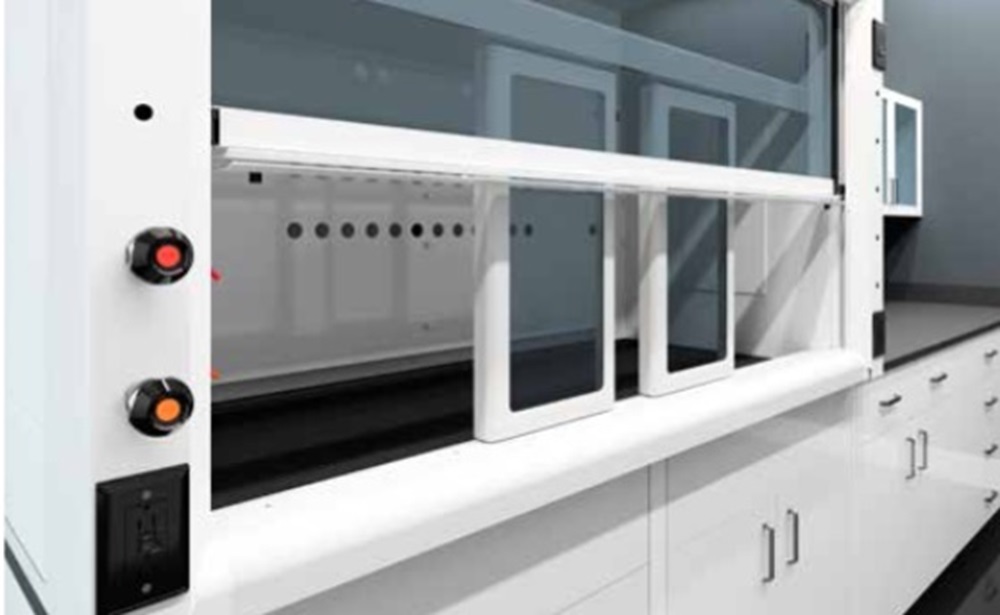
Selecting the right energy-efficient fume hood for your laboratory can be a complex decision, as it depends on a variety of factors including the size of your lab, the types of experiments conducted, and your energy-saving goals. With the right guidance, however, laboratories can find the perfect fume hood solution to optimize both safety and energy efficiency.
Key Considerations When Choosing a Fume Hood:
- Lab Size and Layout
The size and layout of your lab play a crucial role in determining which fume hood is the best fit. Larger labs with multiple workstations may benefit from VAV or low-flow fume hoods, which allow for dynamic airflow control. Smaller labs may prefer compact models that still offer energy efficiency without compromising performance. - Type of Work Being Conducted
Different types of experiments require different levels of containment and airflow. Labs dealing with hazardous chemicals or high-risk materials will need fume hoods that provide higher airflow capacities. However, for general tasks, a low-flow or VAV system may be more than sufficient to maintain safety while reducing energy consumption. - Airflow and Safety Requirements
It’s essential to balance airflow needs with energy efficiency. Ensure that the fume hood you choose meets your specific airflow requirements while integrating technologies that optimize energy use, such as automatic sash management and VAV systems. Always ensure that the hood’s design complies with safety standards to maintain proper containment. - Energy Efficiency Goals
Laboratories aiming to reduce their carbon footprint and cut energy costs should consider energy-efficient features like low-flow systems and automated sash controls. By selecting these systems, labs can achieve significant energy savings, particularly in high-usage environments. - Long-Term Maintenance and Costs
The long-term cost of ownership is another important consideration. Energy-efficient fume hoods tend to have lower operational and maintenance costs due to reduced wear on HVAC systems and fewer energy demands. Look for models that offer easy maintenance, long-lasting durability, and manufacturer support to ensure a solid return on investment. - Regulatory Compliance
Ensure that the fume hood you choose complies with relevant industry regulations and standards. Energy-efficient models often meet or exceed the standards for sustainability and safety, which can help labs stay ahead of regulatory requirements.
Additional Reading: Ducted vs. Ductless Fume Hoods: Pros, Cons, and Ideal Applications
Consulting with Experts:
For optimal results, it’s a good idea to consult with experts, like Genie Scientific—a single source solution for fume hoods, laboratory furniture, and related products—who can guide you through the selection process.
With years of experience in designing and manufacturing energy-efficient fume hoods, we can help you choose the right system tailored to your lab’s needs, ensuring maximum efficiency, safety, and sustainability.

Conclusion
Energy-efficient fume hoods represent a critical innovation for modern laboratories. By incorporating technologies like VAV, low-flow systems, and sash management, these hoods help reduce energy consumption, lower operational costs, and improve laboratory safety—all while supporting sustainability goals. Choosing the right energy-efficient fume hood is essential for optimizing both energy use and safety standards in your lab.
Genie Scientific’s advanced fume hoods are designed to provide laboratories with the best of both worlds: reduced energy consumption without compromising on safety or performance. Our innovative designs and expert guidance ensure your lab meets both operational efficiency and environmental sustainability goals. Checkout Genie’s Fume Hood Selection Guide: Fume Hood Selection Guide.
Ready to make the switch to energy-efficient fume hoods? Contact Genie Scientific today to explore our range of energy-efficient solutions and find the perfect fit for your lab. Let us help you create a safer, more sustainable laboratory environment.