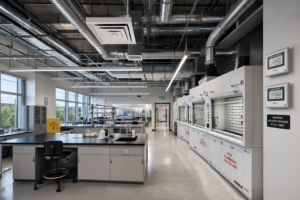

In laboratory environments where precision meets high temperatures, choosing the right work surface is more than a matter of convenience—it’s a matter of safety and performance. Heat-resistant lab workbenches are specifically engineered to withstand exposure to extreme temperatures without warping, degrading, or compromising structural integrity.
Whether you’re conducting high-temperature reactions, using open flames, or operating heat-generating equipment, these specialized benches play a vital role in protecting both personnel and experimental outcomes.
But not all heat-resistant lab workbenches are created equal. From surface materials to structural design and long-term durability, the right features can make a significant difference in how well your workbench performs under pressure. In this article, we’ll break down the key characteristics to consider when selecting a heat-resistant lab workbench that’s built to endure the heat.
Importance of Heat Resistance in Laboratory Settings
In many laboratory environments, heat is not just a byproduct—it’s an essential part of daily operations. Whether you’re sterilizing equipment, conducting combustion reactions, or testing materials under elevated temperatures, your workbench must be able to take the heat—literally and repeatedly.
Without heat-resistant lab workbenches, high temperatures can cause significant damage. Standard surfaces may warp, crack, discolor, or even become fire hazards when exposed to intense or prolonged heat. This not only compromises the bench itself but can also endanger equipment, disrupt experiments, and pose serious safety risks to lab personnel.
Heat resistance is especially critical in labs that rely on:
- Bunsen burners and open flames for chemical reactions.
- Hot plates and heating mantles for precise temperature control.
- Autoclaves and sterilization equipment that emit residual heat.
- Thermal testing stations for product development and quality control.
Moreover, many laboratory safety standards—such as those from OSHA, ANSI, or SEFA—recommend or require the use of surfaces designed to withstand elevated temperatures. Incorporating heat-resistant lab workbenches enhances safety and helps ensure compliance with industry regulations.
Simply put, investing in heat-resistant infrastructure is a proactive step toward creating a lab that’s safer, more efficient, and better equipped for demanding scientific work.

Materials That Define Heat-Resistant Lab Workbenches
The performance of heat-resistant lab workbenches starts at the surface. The right worktop material can handle frequent exposure to high temperatures without losing structural integrity, off-gassing harmful fumes, or reacting with chemicals. Several materials are commonly used for their thermal resilience, each offering unique benefits depending on the application.
Epoxy Resin
Often considered the gold standard for heat resistance, epoxy resin surfaces are formed through a thermosetting process that creates a non-porous, monolithic surface. These tops can typically withstand continuous heat up to 200 °C (392 °F) and short-term exposure to even higher temperatures.
Pros:
- Exceptional heat and chemical resistance
- Durable and impact-resistant
- Resistant to moisture and bacteria
Cons:
- Heavier than other materials
- Can be more expensive

Phenolic Resin
Phenolic resin tops are made by layering kraft paper and resin under heat and pressure. They’re generally suitable for moderate heat applications (up to around 135 °C / 275 °F) and are valued for their balance between performance and cost.
Pros:
- Lightweight and cost-effective
- Good heat and chemical resistance
- Smooth, easy-to-clean surface
Cons:
- Lower heat threshold than epoxy
- Less impact resistance
Additional reading: Work Surface Showdown: Epoxy Resin vs. Phenolic Resin for Modern Labs
Stainless Steel
While stainless steel isn’t inherently heat-resistant at the level of epoxy or ceramic, it remains stable under fluctuating temperatures and is widely used in sterile environments.
Pros:
- Excellent durability and hygiene
- Handles thermal cycling well
- Corrosion-resistant
Cons:
- Susceptible to surface discoloration at high temperatures
- Can dent or scratch easily

Ceramic
Ceramic surfaces offer outstanding resistance to extreme temperatures, sometimes up to 1000 °C (1832 °F). They’re ideal for specialty labs dealing with combustion analysis or high-heat processing.
Pros:
- Unmatched thermal resistance
- Inert and chemically stable
Cons:
- Brittle and prone to chipping
- Typically more expensive and harder to source

Polymer Composites
Some advanced polymer surfaces are engineered for high heat and chemical resistance, though they’re typically found in custom or specialized lab setups.
Pros:
- Tailored for specific applications
- Lightweight and versatile
Cons:
- Can vary widely in performance
- Often more expensive or custom-fabricated
Selecting the right material depends on your lab’s specific needs—there’s no one-size-fits-all solution. In the next section, we’ll look beyond the surface to explore structural durability and load capacity, which are just as essential when evaluating heat-resistant lab workbenches.
Structural Durability and Load Capacity
A tough surface means little without a strong foundation. The ability of heat-resistant lab workbenches to support heavy equipment, withstand repeated thermal cycling, and remain stable under stress depends heavily on their structural design.
Laboratory workbenches are often home to:
- High-temperature instruments like muffle furnaces or autoclaves
- Analytical balances requiring vibration-free surfaces
- Centrifuges and shakers that apply mechanical force
- Heavy-duty testing equipment that must remain stationary and safe
To support this, frames must be engineered for both thermal and mechanical stability. High-quality workbenches often feature:
- Welded steel frames for maximum strength and rigidity
- Powder-coated finishes to resist corrosion and heat-related damage
- Reinforced cross bracing for stability during thermal expansion or equipment movement
- Adjustable leveling feet or casters for mobile applications
Even small thermal shifts can cause warping or misalignment in poorly constructed benches. That’s why attention to detail—like proper welds, high-quality fasteners, and materials rated for thermal stress—is key.
It’s also important to consider the weight capacity of the bench. Some high-performance heat-resistant lab workbenches are rated to hold hundreds of kilograms without sagging, bowing, or becoming unstable. Investing in a structurally sound design ensures that the bench can safely accommodate evolving lab needs—whether that means heavier equipment or longer operating hours.

Chemical Resistance and Multi-Hazard Compatibility
In most laboratories, heat doesn’t exist in isolation—it’s part of a broader set of hazards that often include corrosive chemicals, volatile solvents, and abrasive materials. That’s why truly effective heat-resistant lab workbenches and fume hoods must offer more than just thermal durability; they need to stand up to a range of harsh conditions without compromising safety or performance.
Many high-temperature procedures involve:
- Heated acids or bases in titrations or synthesis
- Organic solvents used with heat to extract or purify compounds
- Molten materials or high-temperature residues that spill onto surfaces
- Rapid temperature changes, which can cause microfractures in less resilient materials
A workbench that can handle extreme heat but deteriorates when exposed to chemicals won’t last long in a typical lab. That’s why most heat-resistant lab workbenches also feature:
- Non-porous surfaces that resist staining and absorption
- Chemical-inert materials like epoxy or phenolic resin
- Smooth edges and seamless joints to prevent buildup of corrosive substances
- Integrated spill containment features like raised edges or lip channels
Choosing a workbench with both heat and chemical resistance reduces the risk of surface degradation, cross-contamination, and safety incidents. It also means fewer repairs or replacements over time—an essential factor for labs running high-volume or continuous operations.
Ultimately, compatibility with multiple hazards enhances not only the lifespan of your workbench but also the overall efficiency and safety of your lab environment.
Next up: we’ll look at customization options and how the right configuration can elevate lab performance even further.
Customization Options for Specific Lab Needs
No two labs are exactly alike—and neither are their requirements. That’s why many manufacturers offer customizable heat-resistant lab workbenches designed to meet the specific demands of different research, testing, or production environments. From layout and mobility to added safety features, customization can significantly enhance usability, efficiency, and lab workflow.
Modular Designs
Modular benches allow labs to reconfigure or expand workspaces as needs evolve. You can choose from:
- Fixed units for stable, permanent setups
- Freestanding islands for collaborative or flexible workflows
- Corner benches to maximize usable space
Size and Height Adjustments
Depending on your lab activities, you might need:
- Extra-deep countertops for bulky instruments
- ADA-compliant heights for accessibility
- Adjustable-height frames to support seated or standing work
Additional Reading: Height-Adjustable Lab Benches: Improving Comfort and Productivity
Mobility Features
Mobile heat-resistant lab workbenches equipped with heavy-duty casters offer both stability and flexibility—ideal for multipurpose labs or shared equipment stations. Locking mechanisms ensure safety during operation.
Built-In Safety Enhancements
Some workbenches include integrated features like:
- Heat shields to protect adjacent surfaces or equipment
- Flame-retardant coatings for added fire safety
- Ventilation ports for fume management
- Splash guards and chemical containment lips
Storage and Utility Options
Custom configurations may also include:
- Drawers and cabinets built from heat- and chemical-resistant materials
- Overhead shelving for tools and glassware
- Integrated sinks or utility chases for gas, air, and vacuum lines
By tailoring a workbench to your lab’s exact specifications, you not only maximize productivity but also reinforce safety and longevity—especially when heat is part of the daily equation.

Maintenance and Longevity
Even the toughest heat-resistant lab workbenches need proper care to perform at their best. Routine maintenance doesn’t just preserve appearance—it safeguards functionality, ensures compliance, and extends the life of your investment.
Routine Cleaning
High-heat procedures often leave behind residues like:
- Carbon buildup from open flames
- Scorched chemical spills
- Condensed vapors or heat-altered reagents
Most heat-resistant surfaces are non-porous and easy to clean, but using the right cleaning agents is key. Avoid harsh abrasives or corrosive solvents that can wear down protective coatings or dull the finish.
Tip: Stick to pH-neutral cleaners unless the manufacturer recommends otherwise. Always wipe down the surface after using high-temperature equipment.
Inspecting for Heat Damage
Even premium materials can degrade over time, especially with repeated exposure to thermal shock or concentrated heat zones. Regular inspections should check for:
- Surface discoloration or blistering
- Microcracks, warping, or bubbling
- Compromised joints or sealants
Early detection of minor issues helps prevent costly replacements and safety risks.
Protective Practices
Small habits can make a big difference:
- Use trivets or heat pads under hot instruments
- Don’t drag heavy equipment across the surface
- Ensure ventilation systems are working to reduce heat accumulation
Surface Renewal and Replacement
Some lab workbenches allow for resurfacing or replacing just the top layer when it becomes worn, making it easier (and more economical) to maintain long-term performance without replacing the entire unit.
With a proactive maintenance routine, well-built heat-resistant lab workbenches can serve reliably for many years—even in high-use, high-stress environments.
Budget Considerations and Long-Term Value
When selecting heat-resistant lab workbenches, it’s tempting to focus on the price tag—but performance, durability, and safety are just as important. In fact, choosing the right workbench often means balancing initial investment with long-term value.
Upfront vs. Lifecycle Costs
While premium materials like epoxy resin or ceramic may carry higher initial costs, they tend to:
- Withstand heat and chemicals longer without degradation
- Require fewer repairs or replacements over time
- Maintain structural integrity despite constant exposure to harsh conditions
Cheaper alternatives may seem cost-effective at first but can lead to:
- Frequent surface damage or warping
- Higher maintenance expenses
- Greater risk of lab downtime or safety incidents
Hidden Savings Through Durability
Investing in a durable, high-performance bench can reduce:
- The need for protective mats or heat shields
- The frequency of surface recoating or refurbishment
- Insurance and liability costs tied to lab safety
In essence, the best value comes from workbenches that perform reliably in your specific environment—whether that means surviving daily autoclave heat or supporting long-term chemical experiments.
Custom Solutions: Worth the Premium?
Tailoring a workbench to your lab’s workflow may increase the cost upfront, but it can significantly boost productivity and reduce accidents—both of which translate into real savings over time.
When considering budget, think of heat-resistant lab workbenches as long-term partners in lab safety and performance. A smart investment now can prevent costly disruptions down the line.

Final Thoughts
From surface materials and structural integrity to chemical compatibility and long-term value, choosing the right heat-resistant lab workbenches is about more than just withstanding high temperatures—it’s about creating a safer, more efficient workspace tailored to your lab’s unique demands.
By carefully considering each feature, you ensure that your lab is equipped to handle not only today’s experiments but also tomorrow’s innovations. Whether you’re upgrading an existing setup or building a lab from the ground up, partnering with experienced lab furniture specialists can help you find the best fit for your technical and budgetary needs.
At Genie Scientific, we understand the science behind the surface. Our team can help you select or customize heat-resistant lab workbenches that meet rigorous performance standards—without compromising on style, safety, or sustainability.