
In any laboratory environment, safety systems are only as reliable as the last time they were tested. A fume hood may appear to be operating normally—air moving, sash sliding, alarms silent—but without proper verification, there is no guarantee that hazardous fumes are being effectively contained. That’s where a structured fume hood safety audit and routine laboratory fume hood testing become essential for compliance and safety assurance.
Routine audits do more than check a compliance box. They confirm that airflow velocities meet required standards, alarms function correctly, exhaust systems remain balanced, and containment performance protects both personnel and research integrity. Over time, mechanical wear, HVAC adjustments, renovations, and even subtle building pressure changes can compromise performance without obvious warning signs.
Regulatory bodies such as the Occupational Safety and Health Administration and standards developed by the American National Standards Institute in collaboration with AIHA outline clear expectations for inspection frequency, airflow testing, and documentation. Failing to meet these requirements can expose facilities to safety risks, liability concerns, and costly operational disruptions.
The question is not whether testing is necessary—it is how often a fume hood safety audit should be performed, what calibration truly involves, and how laboratories can ensure continuous compliance rather than reactive correction. In this guide, we break down recommended testing intervals, calibration best practices, and the compliance guidelines that keep modern laboratories operating safely and efficiently.

What Is a Fume Hood Safety Audit?
A fume hood safety audit is a structured evaluation of a laboratory fume hood’s performance, safety controls, and compliance status. Unlike a quick visual inspection or routine housekeeping check, an audit verifies that the hood is functioning within established safety standards and documented performance criteria.
At its core, the audit answers one critical question: Is the hood effectively containing and exhausting hazardous contaminants under real operating conditions?
A comprehensive fume hood safety audit typically includes performance testing, containment verification, and documentation to ensure full compliance.
Airflow Performance Testing
- Measurement of face velocity across multiple grid points
- Verification that readings fall within specified ranges (commonly 80–120 feet per minute, depending on design and risk profile)
- Assessment of airflow uniformity and stability
Smoke Visualization (Containment Testing)
- Qualitative testing using smoke to confirm proper containment
- Identification of turbulence, backflow, or dead zones
Mechanical & Operational Checks
- Sash alignment and smooth operation
- Verification of sash height markers
- Inspection of baffles and interior components
- Confirmation of exhaust fan functionality
Alarm & Control Verification
- Testing of airflow monitors and audible/visual alarms
- Calibration checks for VAV (Variable Air Volume) systems
- Validation of low-flow set points
Documentation Review
- Previous certification records
- Maintenance logs
- Corrective actions from past inspections
It’s important to distinguish between routine user checks and a formal safety audit. Laboratory staff may perform daily visual checks or monitor digital airflow displays, but a fume hood safety audit involves calibrated instruments, standardized procedures, and documented results suitable for regulatory review.
In other words, the audit moves the hood from “appears functional” to “verified and compliant.”
And that distinction matters—especially in environments where even minor airflow deviations can increase exposure risk, compromise research integrity, or create liability concerns.

How Often Should You Conduct a Fume Hood Safety Audit?
Determining the appropriate testing interval is one of the most common questions laboratories face. While there is no one-size-fits-all answer, industry standards and regulatory guidance establish clear minimum expectations for conducting a fume hood safety audit.
The recommended fume hood testing frequency within a fume hood safety audit should reflect regulatory requirements, laboratory risk level, and operational changes.
-
Annual Certification: The Industry Baseline
Most regulatory frameworks recommend that laboratory fume hoods be inspected and certified at least once every 12 months.
The Occupational Safety and Health Administration requires employers to maintain safe working environments, which includes ensuring engineering controls such as fume hoods are functioning properly. While OSHA does not specify an exact annual interval in every case, yearly certification is widely recognized as best practice.
Standards developed by the American National Standards Institute and the AIHA (ANSI/ASHRAE 110) reinforce the expectation of routine performance verification.
For most research laboratories, pharmaceutical facilities, and academic institutions, annual testing and a fume hood safety audit represent the minimum acceptable compliance standard.
-
After Installation or Relocation
A fume hood must always be tested and certified:
- After initial installation
- Following relocation within the facility
- After laboratory renovations
- When HVAC systems are modified
Even small changes in duct routing, room pressure relationships, or building airflow balancing can significantly affect hood performance. A post-installation fume hood safety audit confirms that the system performs as designed under real operating conditions.
-
After Repairs or Mechanical Adjustments
Any mechanical change that influences airflow warrants retesting. Examples include:
- Exhaust fan replacement
- Motor or belt repairs
- VAV control recalibration
- Ductwork modifications
Assuming performance remains stable after mechanical work is a common—and costly—mistake. Verification eliminates that risk.

-
High-Risk Environments May Require More Frequent Testing
Certain laboratories benefit from semi-annual or even quarterly fume hood safety audits, particularly when:
- Working with highly toxic or volatile chemicals
- Conducting high-volume chemical processes
- Operating teaching labs with frequent sash movement
- Experiencing fluctuating building pressure conditions
In high-use or high-hazard settings, increased testing frequency strengthens both safety culture and liability protection.
-
When Warning Signs Appear
A fume hood safety audit should also be triggered by operational indicators, such as:
- Repeated low-flow alarms
- Noticeable chemical odors outside the hood
- Visible smoke containment failure
- Inconsistent face velocity readings
Waiting for the annual certification date in these cases can expose personnel to unnecessary risk.
The safest approach is to treat a fume hood safety audit not as a calendar obligation, but as part of a broader risk management strategy. Facilities that align testing frequency with operational realities maintain stronger compliance, reduce unexpected downtime, and protect both personnel and research integrity.
What Does Calibration Involve?
While a fume hood safety audit confirms overall compliance, proper laboratory fume hood calibration ensures the hood is performing within ANSI/AIHA standards. Without proper calibration, even a recently certified hood can provide misleading readings—creating a false sense of security.
Calibration is not simply “checking the numbers.” It is the process of verifying airflow performance against defined standards and adjusting system controls to maintain safe containment.
A comprehensive calibration process typically includes the following components:
-
Face Velocity Measurement
Technicians use calibrated thermal or vane anemometers to measure airflow velocity across a standardized grid at the hood face.
- Measurements are taken at multiple points
- Average face velocity is calculated
- Readings are compared to the specified operating range (commonly 80–120 feet per minute, depending on laboratory protocol and hood design)
The goal is not only to meet the target range but to ensure airflow uniformity across the sash opening.
-
Airflow Balancing
If readings fall outside acceptable parameters, adjustments may be required to:
- Exhaust dampers
- Variable Air Volume (VAV) controls
- Building HVAC balance
Even slight building pressure shifts can influence containment performance. Proper balancing restores stability and predictable airflow behavior.
-
VAV System Calibration
For laboratories operating Variable Air Volume systems, calibration verifies that airflow adjusts correctly as sash height changes.
This process includes:
- Confirming sash position sensors are accurate
- Verifying airflow tracking response
- Adjusting control set points if needed
Incorrect VAV calibration can result in insufficient capture velocity at lower sash positions or unnecessary energy consumption at higher settings.
-
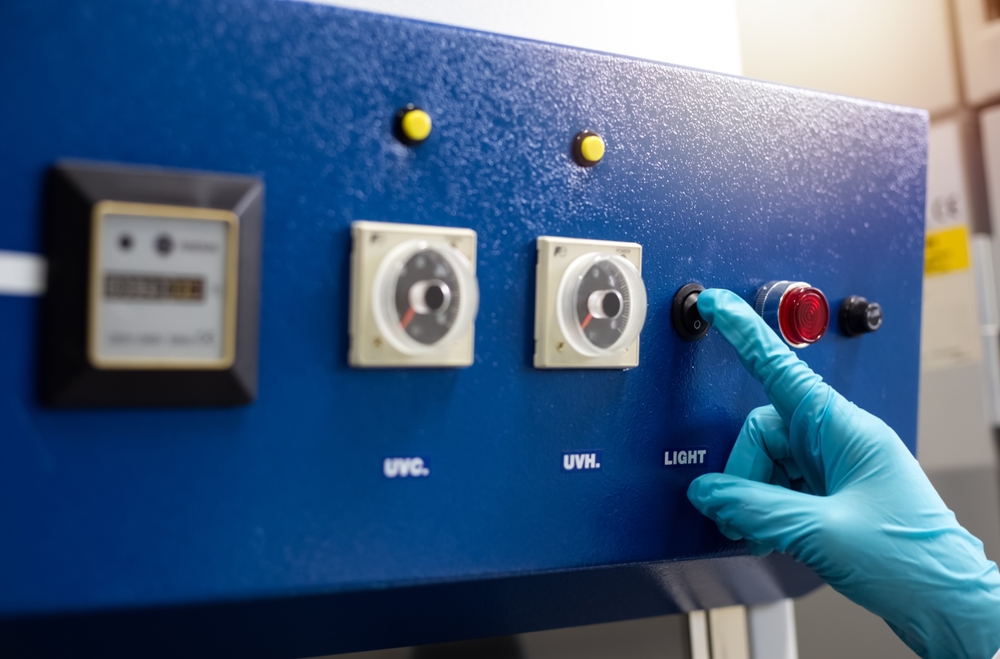
Alarm and Monitor Verification
Airflow monitors and audible/visual alarms must be tested to confirm:
- Low-flow alarms activate at correct thresholds
- Display readings match instrument measurements
- Set points align with institutional safety policy
An alarm that triggers too late—or not at all—defeats the purpose of the monitoring system.
-
Documentation and Certification
Calibration concludes with documented performance data, including:
- Measured face velocity values
- Equipment used and its traceable calibration status
- Adjustments performed
- Pass/fail certification status
Proper documentation ensures the laboratory can demonstrate compliance during internal reviews or regulatory inspections.
Calibration transforms raw measurements into verified safety performance. It ensures that monitoring systems are not merely displaying data, but accurately reflecting real containment conditions.
In well-managed facilities, calibration is not treated as a technical afterthought—it’s an essential control measure that supports regulatory compliance, personnel safety, and operational continuity.

Compliance Guidelines and Standards
A fume hood safety audit does not exist in isolation. It is grounded in regulatory expectations and industry consensus standards that define how laboratory ventilation systems must perform, how often they must be evaluated, and how results should be documented.
Understanding these frameworks helps laboratories move beyond basic testing toward structured compliance management.
-
OSHA Requirements
The Occupational Safety and Health Administration (OSHA) mandates that employers provide a workplace free from recognized hazards. In laboratory environments, engineering controls such as fume hoods are considered a primary method of exposure prevention.
While OSHA does not prescribe an exact universal testing interval or fume hood safety audit for every facility, it does require that ventilation systems be maintained in effective operating condition. Failure to verify hood performance can expose facilities to citations under the General Duty Clause or laboratory-specific standards.
Documentation becomes critical here. If an incident occurs, the ability to produce recent certification records can significantly reduce liability exposure.
-
ANSI/AIHA Z9.5 Laboratory Ventilation Standard
Performance benchmarks for laboratory ventilation are more specifically outlined in standards developed by the American National Standards Institute in collaboration with the AIHA.
The ANSI/AIHA Z9.5 standard addresses:
- Recommended face velocity ranges
- Containment testing methods
- System design considerations
- Commissioning and periodic verification
This standard serves as the technical foundation for most institutional certification programs and third-party testing protocols.
-
Recordkeeping and Audit Trails
Compliance is not limited to performance testing—it also requires clear, accessible documentation. A defensible audit trail typically includes:
- Certification date and next scheduled inspection
- Instrument calibration records
- Face velocity measurements and averages
- Smoke test observations
- Corrective actions taken
- Technician credentials
Incomplete documentation can undermine an otherwise compliant system. During regulatory reviews, inspectors often evaluate both performance data and record integrity.
-
Liability and Risk Management
Beyond regulatory obligations, compliance plays a direct role in risk mitigation. In the event of chemical exposure, system failure, or insurance investigation, documented evidence of routine fume hood safety audits demonstrates due diligence.
Facilities that adopt structured compliance programs are better positioned to:
- Minimize operational disruptions
- Reduce legal exposure
- Maintain accreditation status
- Support a proactive safety culture
Compliance is not merely about passing inspection. It is about verifying that containment systems consistently protect personnel and research operations under real-world conditions.

Warning Signs Your Fume Hood May Be Out of Compliance
Even with scheduled inspections in place, performance issues can develop between formal certifications. Recognizing early warning indicators allows facilities to initiate a fume hood safety audit before minor deviations become safety incidents.
The following signs should never be ignored:
-
Inconsistent or Fluctuating Airflow Readings
If digital monitors display unstable face velocity numbers—especially without any sash movement—this may indicate:
- VAV control issues
- HVAC imbalance
- Sensor drift
- Exhaust fan performance changes
Airflow should remain stable under consistent operating conditions. Unexplained fluctuations warrant verification testing.
-
Frequent Low-Flow Alarms
Occasional alarms may occur during sash adjustments, but repeated or persistent low-flow alerts suggest deeper system instability.
Possible causes include:
- Improper calibration
- Building pressure changes
- Duct obstructions
- Failing mechanical components
Ignoring recurring alarms can normalize unsafe conditions, increasing exposure risk.
-
Detectable Chemical Odors Outside the Hood
A properly functioning fume hood should effectively contain hazardous vapors. If laboratory personnel notice chemical smells escaping into the room, this may signal:
- Inadequate capture velocity
- Turbulence at the hood face
- Poor containment due to cross-drafts
Odor detection is not a substitute for measurement, but it is a strong indicator that containment performance should be evaluated immediately.
-
Failed Smoke Containment Tests
If smoke testing reveals backflow, rolling turbulence, or leakage beyond the sash plane, containment integrity may be compromised.
Smoke tests are particularly valuable for identifying subtle airflow disturbances that velocity readings alone might not detect.
-
Sash Drift or Mechanical Resistance
A sash that does not hold its set position can:
- Disrupt airflow patterns
- Interfere with VAV tracking
- Encourage unsafe operating behavior
Mechanical wear is often gradual, making this an easy issue to overlook until performance is affected.

-
Recent Building or HVAC Modifications
Even if the hood itself has not been altered, changes elsewhere in the facility can influence airflow performance. Examples include:
- Renovations in adjacent spaces
- New exhaust systems
- HVAC rebalancing
- Changes in building pressurization
Containment systems are interconnected. One modification can ripple through the entire ventilation network.
When any of these indicators appear, waiting for the next scheduled annual certification may expose personnel to unnecessary risk. Initiating a targeted fume hood safety audit allows facilities to identify root causes early and restore verified performance.
The Role of Professional Testing and Documentation
While internal teams may perform basic visual checks, a comprehensive fume hood safety audit, including detailed face velocity testing and fume hood safety audit, requires specialized instrumentation, technical expertise, and structured reporting. Professional testing transforms compliance from a reactive task into a managed safety system.
Fume hood specialists like Genie Scientific’ expert technicians bring more than measurement tools—they bring diagnostic insight.
-
Certified Performance Testing
Professional auditors use traceably calibrated instruments to:
- Measure and average face velocity across standardized grids
- Evaluate airflow uniformity and stability
- Conduct containment visualization testing
- Verify VAV tracking performance
Because instruments themselves require routine calibration, third-party testing ensures that airflow data is defensible and accurate—especially during inspections or incident investigations.
-
Root Cause Identification
When a hood fails to meet performance thresholds, the real value lies in identifying why.
Is the issue:
- HVAC imbalance?
- Duct restriction?
- Control drift?
- Mechanical wear?
- Improper commissioning after renovation?
Professional testing isolates variables rather than simply documenting failure. That distinction prevents recurring issues and unnecessary downtime.
-
Structured Documentation and Audit Reports
Regulators and institutional safety officers expect more than pass/fail labels. A defensible audit report typically includes:
- Detailed airflow measurements
- Calibration verification data
- Smoke test findings
- Equipment traceability records
- Corrective action recommendations
- Clear certification status
Well-organized documentation strengthens inspection readiness and demonstrates proactive risk management.
-
Ongoing Compliance Support
Perhaps most importantly, professional service providers shift fume hood safety audits from a once-a-year obligation to a lifecycle strategy.
Rather than treating compliance as a recurring interruption, facilities can establish:
- Scheduled certification programs
- Post-renovation verification
- Targeted retesting after mechanical work
- Long-term performance tracking
This structured approach reduces unexpected failures, supports accreditation standards, and protects research continuity.
For laboratories that prioritize both safety and operational efficiency, a fume hood safety audit is not simply a technical checkpoint—it is part of a broader containment assurance strategy.
When testing, calibration, documentation, and corrective expertise are integrated into a cohesive program, compliance becomes predictable instead of reactive.
Additional Reading: Essential Fume Hood Maintenance & Safety: Annual Certification and Best Practices You Can’t Skip

Conclusion: Turning Compliance Into a Preventative Strategy
A fume hood safety audit, supported by proper fume hood testing frequency and laboratory ventilation calibration, is more than an annual requirement—it is a critical safeguard that protects laboratory personnel, preserves research integrity, and reinforces regulatory compliance.
From verifying face velocity and calibrating airflow monitors to documenting performance and correcting system imbalances, routine audits ensure that containment systems operate exactly as intended.
Industry expectations established by organizations such as the Occupational Safety and Health Administration and the American National Standards Institute emphasize ongoing verification, not one-time installation. Laboratories that align testing frequency with operational risk, respond promptly to warning signs, and maintain clear documentation are better positioned to reduce liability and avoid costly disruptions.
Rather than approaching compliance as a reactive checklist, forward-thinking facilities treat fume hood testing and calibration as part of a long-term containment strategy. With structured fume hood safety audits, professional calibration, and defensible documentation, laboratories can move from uncertainty to verified performance.
For facilities seeking a dependable approach to ongoing certification and compliance support, partnering with experienced laboratory ventilation specialists such as Genie Scientific ensures that every fume hood safety audit is thorough, accurate, and inspection-ready.