

Laboratories are hubs of discovery, but they’re also environments where safety must always come first. Among the most critical concerns is flammable chemical storage, since improper handling or storage can turn everyday experiments into serious hazards. From volatile solvents to reactive compounds, these materials pose fire and explosion risks if not managed with care.
Establishing clear storage protocols isn’t just about compliance—it’s about protecting people, property, and research. By understanding the risks and applying best practices, laboratories can create a safer environment that supports innovation without compromising safety.
What Constitutes Flammable Chemicals?
Flammable chemicals are substances that can easily ignite and burn when exposed to a spark, flame, or even heat. In laboratories, these chemicals are classified by their flashpoint—the lowest temperature at which a liquid can release enough vapor to ignite in air. The lower the flashpoint, the higher the fire risk. For example, diethyl ether has a flashpoint of –45°C, making it extremely flammable compared to substances with higher thresholds.
Common examples of flammable chemicals in laboratories include:
- Organic solvents such as acetone, ethanol, methanol, and hexane.
- Gases like hydrogen and propane.
- Reactive substances that may spontaneously ignite when exposed to air or moisture.
Regulatory bodies such as OSHA and the NFPA often classify these chemicals into categories ranging from extremely flammable to combustible, helping laboratories determine appropriate handling and storage measures. Understanding these categories is the foundation for designing safe and compliant storage systems.

Risks of Improper Flammable Chemical Storage
Improper flammable chemical storage is one of the leading causes of laboratory fires and accidents. When volatile substances are stored without proper containment, labeling, or segregation, the consequences can be severe—not only for the facility, but also for the people working inside it.
Key risks include:
- Fire and Explosion Hazards – Vapors from solvents and fuels can build up in poorly ventilated areas, igniting from even the smallest spark.
- Chemical Reactions – Storing incompatible chemicals together, such as oxidizers near flammable liquids, can trigger violent reactions.
- Environmental Damage – Spills and leaks may contaminate soil, water, or air, leading to long-term ecological harm.
- Human Safety Risks – Exposure to toxic fumes, burns, or injuries during emergencies puts laboratory personnel at serious risk.
Beyond the immediate hazards, improper storage can also result in regulatory penalties, costly cleanup, and damage to valuable research. These risks underscore why strict storage protocols aren’t just guidelines—they’re essential safeguards for every laboratory.
Additional Reading: Custom Laboratory Cabinets: Tailoring Storage to Your Research Needs
Best Practices for Flammable Chemical Storage
Safe laboratory operations rely on strict protocols for flammable chemical storage. From selecting the right containers to maintaining emergency preparedness, every detail matters. Implementing the following best practices significantly reduces the risks of fire, accidents, and costly regulatory violations.
1. Proper Containers and Labels
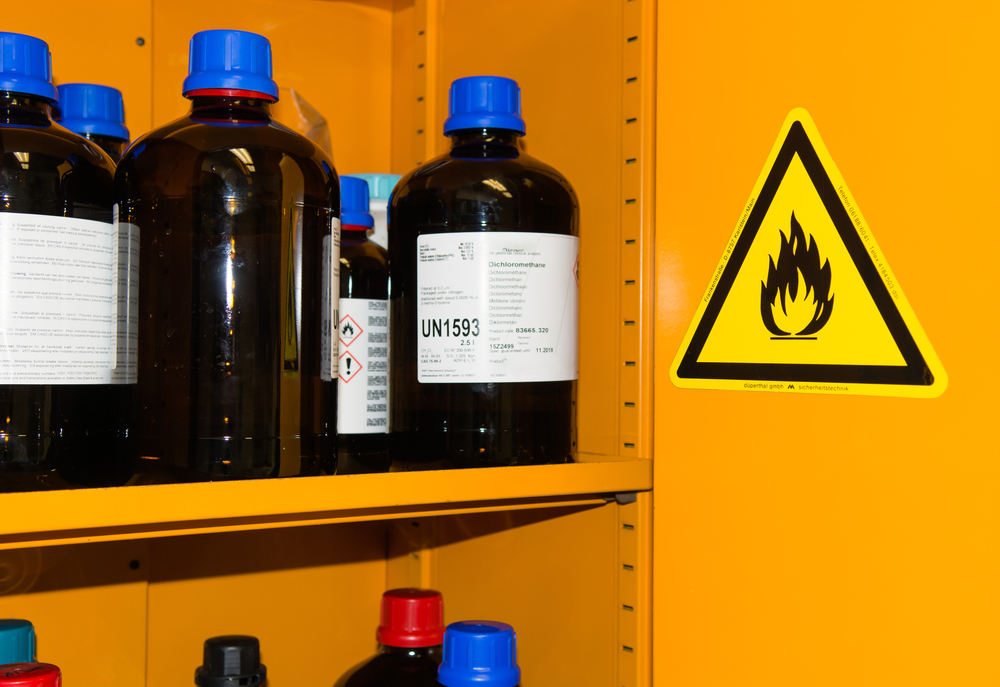
Storing flammable chemicals begins with choosing the correct containers. Materials such as glass, metal, or specific plastics are often required, depending on the chemical’s properties. All containers should be corrosion-resistant, airtight, and approved for hazardous materials.
Just as important is labeling—every container must display the chemical name, hazard warnings, and date of receipt or opening. Clear labeling prevents confusion and helps staff respond quickly in emergencies.
2. Ventilation and Temperature Control
Flammable vapors can accumulate quickly in enclosed spaces, creating an ignition hazard. To minimize this risk, storage areas must have adequate ventilation systems that prevent vapor buildup.
Equally critical is temperature regulation—flammable liquids should be stored away from heat sources and maintained below their flashpoint. Specialized flammable chemical storage cabinets often feature temperature-resistant construction for added protection.
3. Safe Storage Locations
Location is a key factor in minimizing risk. Flammable chemical storage should include designated cabinets or rooms built for fire resistance. These areas must be positioned away from open flames, electrical equipment, or hot surfaces.
Segregation is also essential—flammables should never be stored alongside oxidizers, acids, or other incompatible substances that could trigger dangerous reactions.
4. Fire Safety Equipment and Protocols
Even the most secure storage systems cannot eliminate risk entirely. Laboratories must be prepared with proper fire safety equipment, including Class B fire extinguishers, sprinkler systems, and alarms.
Clear evacuation routes and emergency response plans should be in place, with all staff trained on how to act swiftly if an incident occurs. Regular drills help ensure everyone knows their role during an emergency.
5. Regular Inspections and Maintenance
Safety is not a one-time setup—it requires ongoing attention. Regular inspections should check for leaking containers, expired chemicals, or damaged labels. Storage cabinets, ventilation systems, and fire suppression equipment must be maintained according to manufacturer and regulatory guidelines.
Training programs and refresher courses for laboratory personnel ensure that safety protocols remain second nature.
Regulatory Standards and Compliance
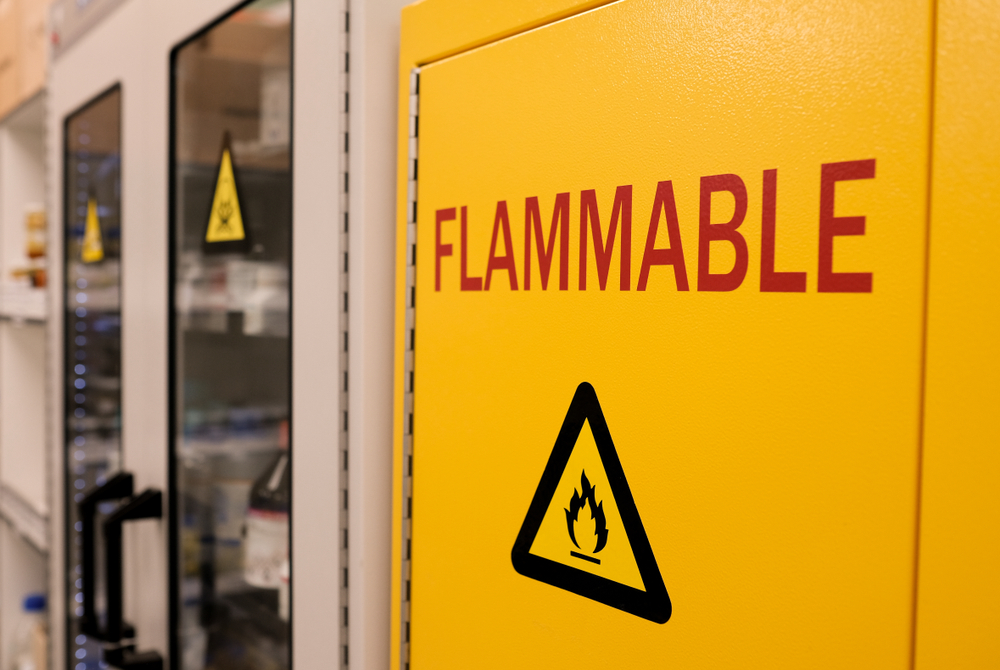
Flammable chemicals pose significant risks, which is why strict safety regulations govern how they are stored in laboratories. Adhering to these standards is not only a legal requirement but also a proactive step in protecting people, research, and property.
Key frameworks include:
- OSHA (Occupational Safety and Health Administration): OSHA’s Hazard Communication Standard and Laboratory Safety guidelines outline requirements for labeling, training, and safe storage practices.
- NFPA (National Fire Protection Association): NFPA 30, the Flammable and Combustible Liquids Code, establishes rules for storage cabinets, container capacities, and facility design.
- EPA (Environmental Protection Agency): Regulations address environmental risks, focusing on proper containment and spill prevention.
- Local and Institutional Requirements: Many municipalities and research institutions add their own codes, often stricter than federal regulations.
When it comes to flammable chemical storage, noncompliance can lead to fines, shutdowns, or denial of insurance claims in the event of an incident. More importantly, following these standards creates a culture of accountability and reinforces safety as a shared responsibility across the laboratory.

Technology and Innovations in Chemical Storage
As laboratory environments become more complex, safety strategies are evolving beyond traditional cabinets and labels. Modern flammable chemical storage increasingly incorporates advanced technologies that enhance monitoring, protection, and efficiency.
- Smart Storage Cabinets: Equipped with sensors, these cabinets can detect temperature changes, vapor buildup, or unauthorized access. Real-time alerts help laboratories respond quickly to potential hazards before they escalate.
- Automated Inventory Systems: Digital platforms track chemical quantities, expiration dates, and storage conditions. This reduces human error, prevents overstocking, and ensures that chemicals are used or disposed of safely and on time.
- Fire-Resistant Materials: Innovations in cabinet construction now include multi-layer fire-resistant walls and self-closing doors that activate automatically when temperatures rise. These features provide additional barriers against fire spread.
- Integrated Ventilation and Filtration: Some modern storage systems feature built-in filtration units that actively remove harmful vapors, maintaining air quality and lowering ignition risk.
By embracing these innovations, laboratories not only improve compliance but also elevate overall safety, efficiency, and sustainability. Technology doesn’t replace human responsibility—but it provides powerful tools to make chemical management safer than ever before.
Conclusion
Flammable chemicals are an unavoidable part of modern laboratory work, but the risks they pose can be effectively managed through thoughtful planning and adherence to best practices. From selecting the right containers and maintaining ventilation to following strict regulatory standards and leveraging new technologies, safe flammable chemical storage is the backbone of laboratory safety.
Every laboratory has unique needs, which is why tailored solutions matter. Genie Scientific specializes in creating laboratory environments that prioritize both safety and efficiency. With decades of expertise and a commitment to innovation, Genie provides storage systems and lab solutions that help organizations safeguard their people, their research, and their future.
If you’re looking to enhance your lab’s safety protocols, consult Genie Scientific for expert guidance and customized flammable chemical storage solutions.