
Why the Fixed vs Modular Decision Matters
Choosing the right laboratory furniture is more than a design decision—it directly impacts workflow efficiency, safety, and a lab’s ability to adapt over time.
One of the most common questions facility planners and lab managers face is how to choose between fixed vs modular lab furniture, especially as research demands, technology, and compliance with requirements such as safety standards, health, and environmental regulations continue to evolve.
Fixed lab furniture systems have long been valued for their durability and permanent utility integration, making them a trusted choice for labs with stable workflows and heavy equipment. Modular lab furniture, on the other hand, offers flexibility and reconfigurability, supporting modern laboratories that must adapt quickly to changing research priorities, team sizes, and instrumentation.
Understanding the differences between fixed vs modular lab furniture is essential when planning a new laboratory, expanding an existing space, or preparing for future growth. Each system brings distinct advantages—and the right choice depends on how the lab operates today and how it is expected to evolve tomorrow.
This article inspects the key characteristics, benefits, and ideal applications of fixed vs modular lab furniture systems to help laboratory decision-makers select a solution that supports performance, compliance, and long-term value.
What Is Fixed Lab Furniture?
Fixed lab furniture refers to permanently installed laboratory casework and workstations designed to remain in place for the life of the lab.
These systems are typically anchored to the floor or walls and are integrated with hard-plumbed utilities such as gas, water, vacuum, and electrical services. Because of their permanent nature, fixed systems are often selected for laboratories with well-defined, long-term workflows.
When comparing fixed vs modular lab furniture, one of the defining strengths of fixed lab furniture is its structural rigidity.
Built to support heavy equipment and vibration-sensitive instruments, fixed casework provides a stable working environment that is critical in many analytical, industrial, and quality control laboratories.Materials commonly used include steel, wood, and stainless steel, each selected based on durability, chemical resistance, and load requirements.
Fixed lab furniture is especially well-suited to environments where layouts are unlikely to change and where safety and compliance demand consistent, hard-connected services. Once installed, these systems create a highly organized and efficient workspace—but reconfiguration typically requires construction work, downtime, and additional cost.
In the context of fixed vs modular lab furniture, fixed systems remain the go-to solution for laboratories that prioritize permanence, maximum load capacity, and long-term operational stability over flexibility.

What Is Modular Lab Furniture?
Modular lab furniture consists of reconfigurable workstations and casework systems designed to adapt as laboratory needs change.
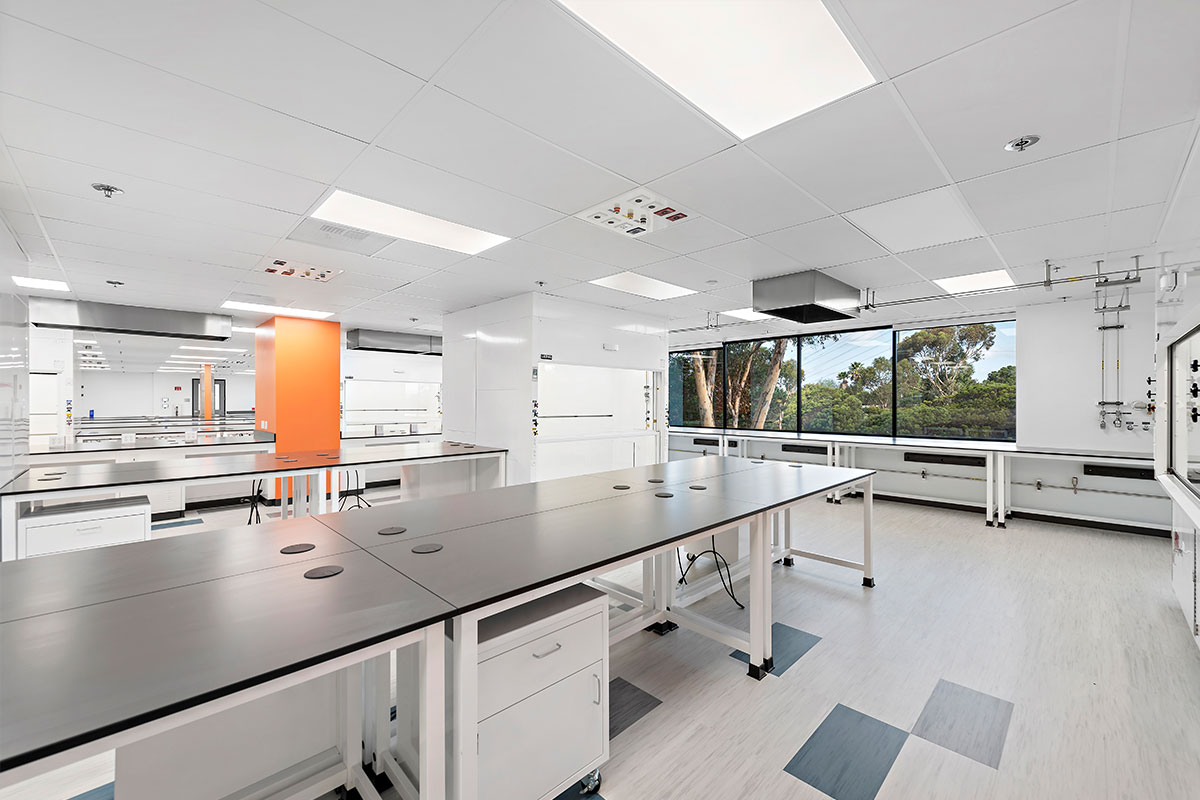
Unlike fixed installations, modular systems are typically freestanding or frame-based, allowing benches, cabinets, and accessories to be rearranged, expanded, or relocated with minimal disruption. This adaptability makes modular solutions especially attractive for modern laboratories where research priorities, team sizes, and equipment requirements evolve frequently.
A key feature of modular lab furniture is its flexible utility integration. Services such as electrical, data, gas, and vacuum are often delivered through overhead service carriers, ceiling drops, or service spines rather than hard-plumbed connections. This “plug-and-play” approach supports faster installation and simplifies future layout changes without the need for extensive construction.
Modular systems also promote ergonomic customization. Adjustable work heights, mobile benches, and interchangeable components allow labs to optimize comfort and workflow for different users and applications. These features are particularly valuable in shared research spaces, teaching laboratories, and innovation-focused environments where versatility is essential.
When comparing fixed vs modular lab furniture, modular systems stand out for their ability to support growth, experimentation, and reconfiguration. While they may not always match the load capacity of fully fixed installations, their flexibility and scalability make them a strategic choice for laboratories planning for change rather than permanence.
Additional Reading: Modular Laboratory Systems: The Flexible Solution for Dynamic Research Needs
Fixed vs Modular Lab Furniture: Side-by-Side Comparison
When choosing between fixed vs modular lab furniture, the right decision often comes down to how a laboratory operates today—and how it may need to change in the future. While both systems support safe and efficient lab environments, they differ significantly in flexibility, installation, and long-term adaptability.
Flexibility and Adaptability
Fixed lab furniture is designed for permanence. Once installed, layouts remain largely unchanged, making fixed systems ideal for labs with stable, repeatable workflows. Modular lab furniture, by contrast, is built for adaptability. Benches, cabinets, and accessories can be reconfigured or relocated to accommodate new equipment, changing research priorities, or growing teams.
Installation and Disruption
Fixed systems typically require longer installation timelines and coordination with plumbing, electrical, and facility teams. Any future changes may involve construction and operational downtime. Modular lab furniture is faster to install and easier to modify, reducing disruption—an important advantage for active laboratories that cannot afford extended shutdowns.
Cost Considerations
Initial costs for fixed lab furniture can be higher due to construction, hard-plumbed utilities, and custom installation. However, for labs with long-term, unchanging layouts, these systems can offer excellent value over time. Modular lab furniture may have a comparable or slightly lower upfront cost and often delivers long-term savings by minimizing renovation expenses when layouts need to change.
Durability and Load Capacity
Fixed lab furniture is engineered for maximum rigidity and load-bearing performance, making it well-suited for heavy instruments and vibration-sensitive equipment. Modular systems provide strong performance for most applications but may have lower load limits depending on the frame design and mobility requirements.
Utility Integration
Utilities in fixed lab furniture systems are permanently connected, offering a clean and highly integrated appearance. Modular systems rely on flexible service delivery methods, such as overhead carriers or service spines, allowing utilities to move with the workspace.
Maintenance and Upgrades
Upgrading fixed lab furniture often requires partial demolition or reconstruction. Modular lab furniture simplifies maintenance and upgrades, as individual components can be replaced or reconfigured without impacting the entire lab.
In the comparison of fixed vs modular lab furniture, neither system is universally better. The optimal choice depends on operational stability, future planning, and how much flexibility a laboratory needs to remain productive over time.

Fixed vs Modular Lab Furniture: Quick Comparison Table
| Feature / Factor | Fixed Lab Furniture | Modular Lab Furniture | Hybrid Systems |
| Flexibility & Adaptability | Low – permanent layouts | High – reconfigurable components | Medium – fixed perimeter with flexible zones |
| Installation Time | Longer – requires construction & utility integration | Faster – plug-and-play or frame-based | Moderate – combination of fixed and modular |
| Cost | Higher upfront; long-term value for stable labs | Comparable or slightly lower; saves on future reconfigurations | Balanced – initial investment varies depending on mix |
| Durability & Load Capacity | Very high – supports heavy equipment | Moderate – check load limits for heavy instruments | High in fixed areas, moderate in flexible zones |
| Utility Integration | Hard-plumbed gas, water, vacuum, electrical | Flexible delivery via overhead or service spines | Fixed utilities for core, flexible for modular areas |
| Maintenance & Upgrades | More complex – changes require construction | Simple – components can be swapped or moved | Easy – modular zones updated without affecting fixed areas |
| Ideal Applications | QC, analytical, industrial labs | R&D, teaching labs, innovation labs | Multipurpose labs, phased renovations, future growth |
Additional Reading: The Furniture Lab: Merging Design with Functionality in Laboratory Spaces
When Fixed Lab Furniture Is the Better Choice
When comparing fixed vs modular lab furniture, fixed lab furniture is often the preferred solution for laboratories with clearly defined functions and long-term operational stability. When workflows, equipment placement, and utility requirements are unlikely to change, fixed systems provide a dependable foundation that supports efficiency and compliance.
Laboratories that rely on heavy, vibration-sensitive instruments—such as analytical, industrial, or quality control labs—benefit from the structural rigidity of fixed lab furniture. Permanently installed casework minimizes movement and vibration, helping to protect sensitive equipment and maintain measurement accuracy.
Fixed systems are also well-suited to labs with extensive utility demands. Hard-plumbed gas, water, vacuum, and electrical services ensure consistent performance and a clean, integrated layout. In regulated environments, this permanence can simplify safety planning and compliance with industry standards.
In renovation projects where layouts are already established and disruption must be minimized over the long term, fixed lab furniture can be a strategic investment. While future reconfiguration may require construction, the durability and reliability of fixed systems often outweigh the need for flexibility in these settings.
Within the fixed vs modular lab furniture decision, fixed systems make the most sense for laboratories that prioritize permanence, high load capacity, and predictable workflows over adaptability.
When Modular Lab Furniture Makes More Sense
When it comes to fixed vs modular lab furniture, modular lab furniture is an ideal choice for laboratories that expect change. In environments where research directions, team structures, or equipment requirements evolve frequently, modular systems provide the agility needed to adapt without major disruption.
Research and development labs, innovation spaces, and academic laboratories often benefit most from modular layouts. These environments rarely remain static, and the ability to reconfigure benches, storage, and workstations allows labs to respond quickly to new projects or technologies. Modular lab furniture supports experimentation—not just in science, but in how space is used.
Teaching labs and shared facilities also gain significant advantages from modular systems. Adjustable work heights, mobile benches, and reconfigurable layouts make it easier to accommodate different users, class sizes, and teaching styles. This flexibility improves both usability and long-term value.
From a planning perspective, modular lab furniture is particularly attractive for organizations anticipating growth, phased renovations, or future relocation. Because utilities are delivered through flexible service solutions rather than permanent connections, changes can be made with minimal downtime and lower renovation costs.
In the fixed vs modular lab furniture comparison, modular systems stand out for laboratories that prioritize adaptability, scalability, and future readiness. When change is expected—or even inevitable—modular lab furniture provides a practical and forward-looking solution.
Hybrid Lab Furniture Systems: The Best of Both Worlds
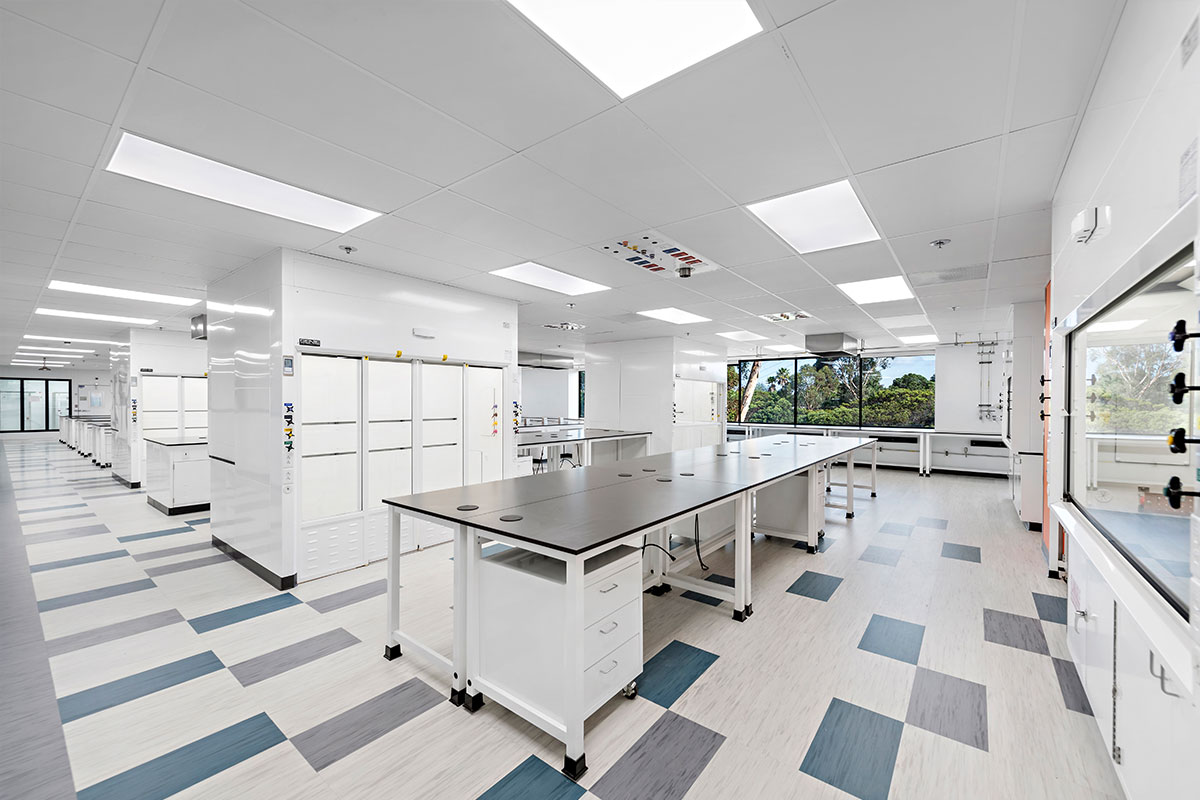
Many modern laboratories find that the choice between fixed vs modular lab furniture systems is not an either–or decision. Hybrid lab furniture systems combine elements of both, offering the stability of fixed installations alongside the flexibility of modular components. This approach allows labs to optimize performance today while maintaining the ability to adapt in the future.
A common hybrid configuration includes fixed perimeter casework integrated with hard-plumbed utilities, paired with modular or mobile workstations in the center of the lab. Fixed elements support heavy equipment, sinks, and utility-intensive processes, while modular benches, tables, cabinets, and even fume hoods allow teams to reconfigure workspaces as research needs change.
Hybrid systems are especially valuable in laboratories planning phased growth or future renovations. By anchoring essential infrastructure in fixed locations and keeping other areas flexible, labs can expand or update their layouts with minimal disruption. This strategy also helps manage costs by limiting construction to areas where permanence is truly required.
From a workflow perspective, hybrid lab furniture supports both consistency and innovation. Core processes remain stable, while adaptable zones encourage collaboration, experimentation, and efficient space utilization.
In the context of fixed vs modular lab furniture, hybrid solutions offer a balanced path forward—making them a popular choice for research institutions, biotech facilities, and multipurpose laboratories seeking long-term versatility without sacrificing performance.
Key Factors to Consider Before Making Your Choice
Selecting between fixed vs modular lab furniture requires a clear understanding of how a laboratory functions today and how it may need to evolve over time. Before making a final decision, several practical factors should be evaluated to ensure the chosen system supports both performance and long-term value.
- Type of Research and Workflow Stability
Consider whether lab activities are well-established or likely to change. Stable, repeatable processes often benefit from fixed systems, while evolving research programs are better supported by modular or hybrid solutions. - Frequency of Layout Changes
Labs that anticipate frequent reconfiguration—due to new equipment, staffing changes, or project-based work—will gain significant advantages from modular furniture. Fixed systems are better suited to layouts expected to remain unchanged for many years. - Utility and Infrastructure Requirements
Assess the number and type of utilities required at each workstation. Hard-plumbed services may favor fixed installations, while overhead or flexible utility delivery supports modular configurations. - Equipment Size and Load Demands
Heavy or vibration-sensitive instruments may require the rigidity of fixed lab furniture. Modular systems should be evaluated carefully to ensure they meet load and stability requirements for specific applications. - Budget and Lifecycle Costs
While upfront costs are important, long-term expenses related to renovations, downtime, and upgrades should also be considered. Modular and hybrid systems often reduce future costs by minimizing construction and disruption. - Safety, Compliance, and Ergonomics
Furniture selection should align with safety standards, regulatory requirements, and ergonomic best practices. Adjustable and adaptable systems can improve user comfort and compliance in shared or multi-user environments.
By weighing these factors carefully, laboratories can make informed decisions that balance current operational needs with future flexibility—ensuring the selected solution aligns with the broader goals behind the fixed vs modular lab furniture choice.
How Genie Scientific Helps Labs Choose the Right Furniture System
Choosing between fixed vs modular lab furniture can feel complex—but it doesn’t have to be. Your single-source solution, Genie Scientific, partners with laboratory planners, facility managers, and researchers to design customized solutions that align with both current operations and future growth.
With decades of experience across industrial, educational, biotech, and research laboratories, Genie Scientific evaluates workflow needs, equipment requirements, utility integration, and space constraints to recommend the optimal furniture system—whether fixed, modular, or a hybrid combination.
By providing comprehensive planning, SEFA-approved manufacturing, expert installation, and ongoing support, Genie ensures labs achieve the perfect balance of durability, flexibility, and efficiency. When it comes to long-term value and performance, Genie Scientific is more than a supplier—it’s a trusted partner in laboratory success.
Additional Reading: Modular Lab Benches: Customizable Options for Dynamic Workspaces
Conclusion: Making the Right Investment for Your Laboratory
Selecting the right laboratory furniture is a strategic decision that impacts workflow, safety, and adaptability, and choosing between fixed vs modular lab furniture is a task of primary importance. Fixed systems offer durability and stability for permanent layouts, modular furniture provides flexibility for evolving research environments, and hybrid configurations deliver the best of both worlds.
By considering research type, layout changes, utility demands, equipment needs, budget, and safety requirements, laboratories can confidently choose the solution that supports both today’s operations and tomorrow’s growth. Partnering with Genie Scientific ensures a tailored, expert-driven approach—helping labs maximize efficiency, compliance, and long-term value.