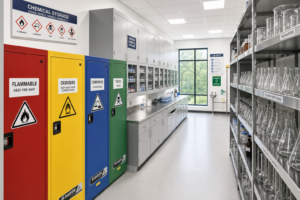

In a busy laboratory, where precision and productivity go hand in hand, a cluttered drawer isn’t just inconvenient—it can compromise efficiency, safety, and even research outcomes. That’s why organizing lab drawer storage is more than a housekeeping task; it’s a critical practice that supports smooth operations and compliance with safety standards.
Whether you’re working in an academic, pharmaceutical, or industrial lab, well-structured drawer systems make it easier to locate tools, minimize contamination risks, and maintain workflow integrity. In this article, we’ll explore the most effective strategies for organizing lab drawer storage—because even the smallest improvements can make a big impact on your lab’s performance.
Assess Your Storage Needs
Before diving into drawer dividers and labeling systems, take a step back and evaluate what you actually need to store. Labs often accumulate excess supplies, outdated equipment, or seldom-used tools that take up valuable space. A well-organized drawer starts with a clear understanding of its contents.
Begin by conducting a quick inventory. Which items do you use every day—pipettes, gloves, pH strips? Which ones are used weekly or only for specialized tasks? Categorizing tools and consumables based on frequency of use will help you prioritize what goes in the most accessible drawers and what can be stored elsewhere.
It’s also important to consider the nature of your lab work. A chemistry lab will have very different storage needs than a microbiology or electronics lab.
For example, fragile glassware, corrosive materials, or precision instruments may each require specific types of compartments or protective inserts. By tailoring your setup to your actual workflow, you’ll create a more intuitive and efficient system for organizing lab drawer storage.

Categorize and Label Everything
Once you’ve assessed your drawer contents, the next step is to create a logical system for grouping and identifying items. Clear categorization is the backbone of effective drawer organization. Think of your lab drawers as mini zones—each with a specific purpose.
Start by grouping similar items together: pipetting supplies, measurement tools, sample containers, safety gear, and so on. Within those groups, organize further by size, function, or frequency of use. For example, you might separate clean pipette tips from used ones, or dedicate one drawer solely to calibration equipment.
Labeling is essential for long-term success in organizing lab drawer storage. Use durable, chemical-resistant labels that won’t smudge or peel. Color-coded labels or symbols can help visually distinguish categories at a glance, while alphanumeric systems are great for more complex setups. For shared labs, this level of clarity helps all team members find what they need—fast—without disrupting workflows.
By creating a consistent, clearly labeled structure, you make your drawer system not only organized, but also sustainable over time.

Use Drawer Organizers and Inserts
Even the best labeling system falls short without the right physical structure inside your drawers. That’s where organizers and inserts come in. From foam cutouts to modular dividers, these tools are essential for maintaining order and preventing cross-contamination or accidental damage.
Consider using customizable inserts that can be tailored to your specific tools and supplies.
Adjustable plastic or stainless-steel dividers work well for general-purpose storage, while foam organizers with precision-cut slots are ideal for delicate instruments like forceps or glass pipettes. If your lab handles corrosive chemicals or sensitive electronics, make sure the materials used in your drawer inserts are compatible with your environment.
Efficiency in organizing lab drawer storage also means maximizing space. Stackable trays, tiered inserts, and vertical dividers can help separate smaller items while making full use of drawer depth. The goal is to eliminate clutter while keeping everything visible and accessible.
When every item has a designated home, cleanup becomes quicker, inventory checks become easier, and tools are less likely to get misplaced or damaged. It’s a small investment that delivers big returns in lab efficiency.
Keep Frequently Used Items Easily Accessible
In any lab setting, time is a valuable resource—and so is muscle memory. That’s why one of the most effective strategies for organizing lab drawer storage is to place your most frequently used items where you can reach them quickly and easily.
Reserve top drawers or those closest to the workbench, fume hood, or casework for tools and consumables you use every day, like pipettes, gloves, or lab markers. Group them in clearly marked compartments to avoid unnecessary searching or shuffling. For high-turnover items, consider shallow drawers with individual slots or vertical dividers to keep everything upright and easy to grab.
Ergonomics also plays a role here. Reaching, bending, or sifting through cluttered drawers can slow you down and increase the risk of dropping or contaminating materials. Smart placement supports smoother workflows and reduces physical strain, especially during repetitive tasks, and for workers with disabilities.
Think of your drawer setup as an extension of your work habits—when your layout reflects your routine, your lab runs more efficiently with less effort.

Additional reading: Ergonomics and Efficiency in Design
Clean and Audit Regularly
Even the most meticulously organized drawers can become chaotic over time without regular upkeep. Dust, spills, broken tools, or expired materials have a sneaky way of accumulating—and that clutter can quickly undo your best efforts at organizing lab drawer storage.
Schedule routine audits of your drawer contents—monthly or quarterly, depending on how busy your lab is. During these audits, check for expired reagents, damaged tools, or misplaced items. Remove anything that’s no longer in use, and restock supplies that are running low.
Cleaning should be part of this process, too. Wipe down drawer interiors with appropriate disinfectants or cleaning agents based on your lab’s protocols. This not only maintains hygiene but also helps protect instruments from contamination and corrosion.
Make these clean-and-check sessions a team habit in shared labs. Assign drawer zones to individuals or rotate responsibilities to ensure consistency. A tidy drawer system signals professionalism, supports compliance, and helps prevent costly errors caused by disorganization.

Create a Lab Drawer Map or Inventory List
Once your drawer system is in place, take it a step further by documenting it. A simple lab drawer map or inventory list can make a big difference—especially in shared workspaces or when onboarding new team members.
Start by sketching out your drawer layout or using a digital tool to create a visual map of what’s stored where. Include drawer numbers or labels, and list the main categories or items in each. For larger labs or multi-station setups, consider printing and laminating these maps to keep them visible near workstations.
Digital inventory tools can also streamline this process. Spreadsheet-based logs or lab management software can track quantities, expiration dates, and restock schedules. This not only reinforces your system for organizing lab drawer storage but also supports lab-wide communication and reduces redundancy in ordering or stocking.
Whether you go low-tech or high-tech, the goal is to make your organization system easy to follow and even easier to maintain.

Additional Reading: Custom Laboratory Cabinets: Tailoring Storage to Your Research Needs
Final Thoughts About Organizing Lab Drawer Storage
A well-organized lab drawer might seem like a small detail, but in high-stakes environments where precision and speed matter, it makes a measurable difference. From reducing errors and improving safety to saving time and supporting team collaboration, organizing lab drawer storage is a smart investment in your lab’s overall performance.
Whether you’re setting up a new lab or reworking an existing one, following these best practices will help you create a workspace that functions as efficiently as the research happening within it. And when you need durable lab furniture, custom workstations, or expert insight into building smarter lab environments, Genie Scientific is your single-source solution for everything lab related.